- Grandfather’s flute
- North American flute
- Pe-be-gwun (Ojibwe/Chippewa)
The hobbies-interests blog refers to it as the “American Flute” as music played is not Indian music. The music is fun music, Christmas music, and hymns.
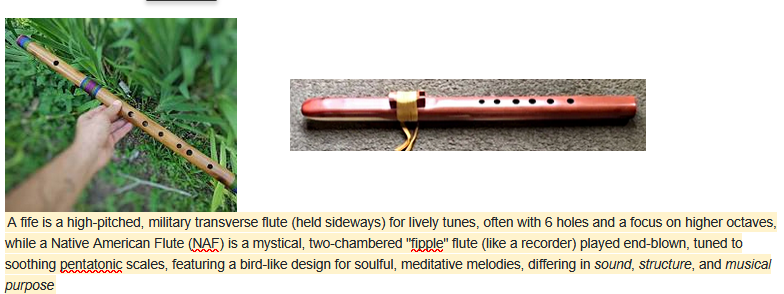
How is the NAF different from the silver flute? The native American style flute is a two-chambered (slow air chamber and bore) fipple designed flute whereas the silver flute is a side-blown or transverse style flute, which requires you to practice embouchure to create a sound.
After some time, the moisture will form little droplets of water that enter and obstruct the airflow underneath the block, and your flute will feel “choked” and lose its clarity. This problem will get worse until the flute eventually stops playing all together. Extensive playing can be done by having more than one flute or drying the used flute.
After playing, remove the flute’s “bird” and wipe its underside and sound holes. Wipe off any remaining moisture with a soft non-abrasive cloth and let the flute completely air dry before storing.
Playing Native American flute will also cause a meditative brain state, increasing alpha and theta brainwave patterns. Using your breath will naturally provide relaxation for your mind and body. At the same time more rhythmic and expressive sounds can exhilarate your brain.