Category: — Crochet
AI Overview [google search]
People still use doilies, though their purpose has shifted from traditional grandmotherly dust-catchers to vintage home decor accents, family heirlooms, and modern fiber art. While traditional everyday use has faded in many regions, crafters and interior designers continue to embrace them.
Modern Uses and Trends
- Home Decor: Enthusiasts of cottagecore and grandmillennial styles style vintage lace on side tables, mantels, and bookshelves.
- Crafting and Wall Art: Crafters mount intricate crochet doilies inside embroidery hoops to hang as geometric wall art or use them to imprint patterns into air-dry clay.
- Surface Protection: Some homeowners still use them functionally as table runners, placemats, or coasters to protect wood surfaces from scratches.
- Fiber Arts: Makers on platforms like Reddit actively share patterns, noting that crocheting them offers a relaxing connection to past family traditions.
If you are looking for ways to repurpose actual vintage doilies rather than replacing their function, users on social platforms suggest turning them into unique home decor items.
- Trinket Bowls: Stiffen fabric doilies with glue mixtures to mold them into small decorative bowls.
- Wall Art: Hoop them in embroidery frames or mount them behind glass for vintage wall hangings.
- Garlands: Thread a string through multiple pieces to create a lace banner for parties.
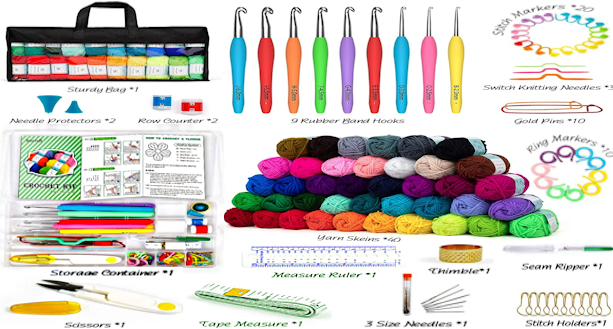
Crochet is a versatile needlecraft that uses a single hook to interlock loops of yarn or thread, creating textiles like blankets, clothing, and amigurumi plushies. It is beginner-friendly, with popular starter projects including scarves, coasters, and simple stuffed animals.
Common Beginner Projects
- Amigurumi: Small stuffed creatures, often made with kits.
- Scarves & Cowls: Simple, repetitive, and quick to make.
- Coasters & Dishcloths: Small, square projects perfect for practicing tension
Common Materials
- Yarn: Acrylic is durable and affordable, while cotton is great for structured items.
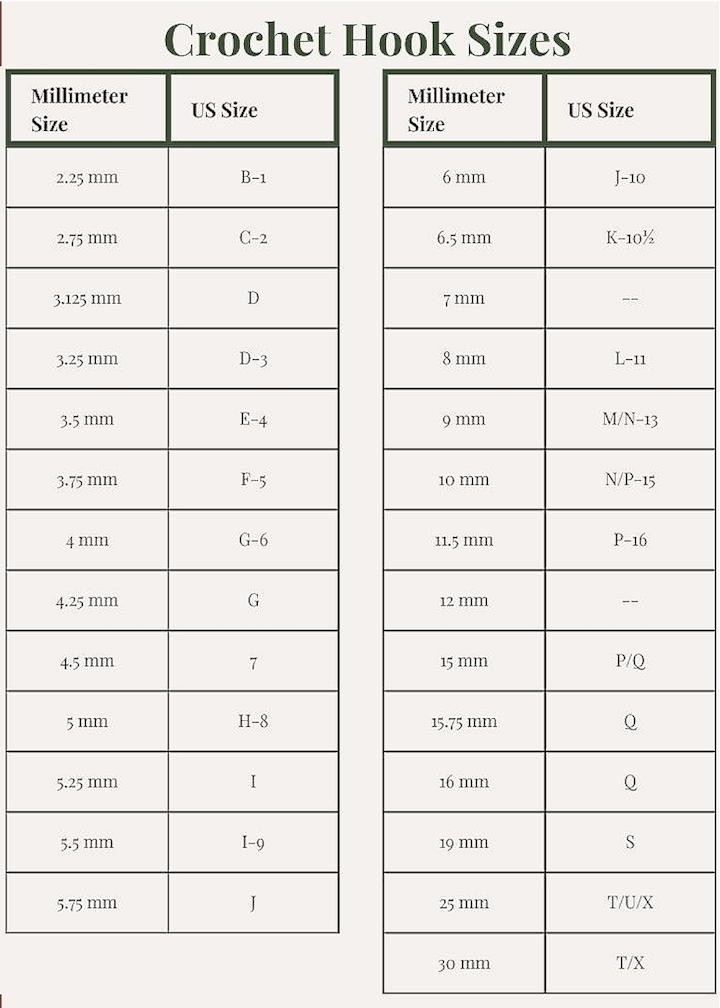
- Hooks: Available in aluminum, wood, or bamboo, with ergonomic options for comfort
Popular yarn choices include Red Heart Super Saver, a durable 100% acrylic option, and comprehensive kits like Hearth & Harbor.
Common Crochet Techniques & Styles
- Amigurumi: The art of knitting or crocheting small, stuffed yarn creatures. It often uses single crochet stitches in continuous rounds to create dense fabric.
- Tunisian Crochet: Often described as a mix of knitting and crochet, this technique uses a long hook to keep multiple stitches active at once, creating a thick, woven texture.
- Filet Crochet: A grid-like technique using chains and double crochet to create patterns. It looks like filled and unfilled squares, forming pictures.
- Tapestry Crochet: A method for working with multiple colors of yarn, carrying the unused color along the row to create intricate, multicolor designs.
- Corner-to-Corner (C2C): Projects worked diagonally from one corner to the opposite, creating a textured, pixelated effect often used for blankets.
- Hairpin Lace: A technique requiring a special hairpin-shaped tool to create long strips of lace that are later joined.
- Broomstick Lace: Uses a very large needle (like a broomstick) along with a standard crochet hook to create open, airy designs.
- Freeform Crochet: A creative, unstructured form of crochet that does not follow a pattern, allowing for organic, artistic creations.
- Irish Crochet Lace: A delicate, traditional form of lace-making that creates individual motifs that are then connected.
Common Project Types
- Granny Squares: Small, decorative motifs usually worked in rounds, which are joined together to make blankets, bags, or clothes.
- Motifs: Individual shapes (like circles, hexagons, or flowers) created separately and joined.
- Doilies: Detailed, intricate lace projects usually worked in rounds.
- Overlay Crochet: A technique adding decorative stitches on top of previous rows for texture and color.
Crochet is a relatively modern textile art that likely evolved from 16th-century French embroidery techniques (“tambour”) and 19th-century “shepherd’s knitting”. While early forms used hooks to create lace, crochet became popular in Europe and Ireland in the 1840s as a famine-relief industry. Tambour: Precursor techniques involved “tambouring,” where a hook was used to create chain stitches on a stretched fabric base. Later, this became “crochet in the air,” removing the base fabric. In 1829, the first crochet pattern was written by Mademoiselle Riego de la Branchardiere. The daughter of a French father and an Irish mother, she is known as the mother of crochet and said to be the creator of the Irish crochet style! At 18 she published her first book about fiber and needlework.
Key Historical Influences
- Nålebinding: Considered an ancestor to both knitting and crochet, this is an ancient, single-needle looping technique.
- Shepherd’s Knitting: A 19th-century,, often rural practice that used a hook for slip-stitch work
Some Crochet Sites:
https://www.ravelry.comhttps://www.lionbrand.com/collections/crochet-kits
https://www.allfreecrochet.com/