Category: — Needlework and Embroidery

Embrodery & Cross Stitch {Crafts-Info} [5/9/2026]

Embroidery is the art of decorating fabric or materials using a needle to apply thread, yarn, or embellishments like beads and sequins. As a popular, low-cost, and versatile craft, it ranges from traditional hand-stitched designs (like cross-stitch and crewel) to modern machine techniques. Key materials include needles, embroidery floss, fabric, and hoops.

Common Types of Embroidery
  • Hand Embroidery: Traditional, manual stitching on fabric.
  • Machine Embroidery: Uses a sewing or embroidery machine for faster, precise designs.
  • Cross-Stitch: A popular form using X-shaped stitches to form a picture.
  • Crewel Embroidery: Uses wool thread for a textured, traditional look.
  • Stumpwork: A raised or 3D embroidery technique.
  • Blackwork/Whitework: Embroidery using black or white thread, often on contrasting fabric.
Tips for Success
  • Fabric Choice: Start with cotton, linen, or muslin, which are easy to needle.
  • Thread Usage: Embroidery floss often comes with six strands; separate them to use only one or two at a time for finer detail.
  • Hoop Tension: Ensure the fabric is very tight in the hoop to prevent uneven stitches.
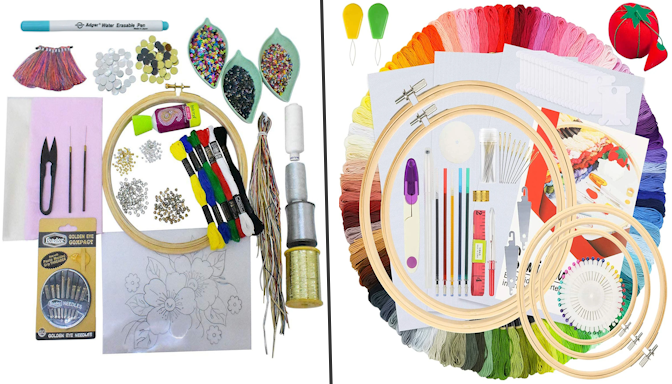
Embroidery and Cross Stitch Sites:
 https://www.etsy.com

https://www.amazon.com

https://www.snugglymonkey.com

https://herrschners.com


Needlepoint {Crafts-Info} [5/9/2026]

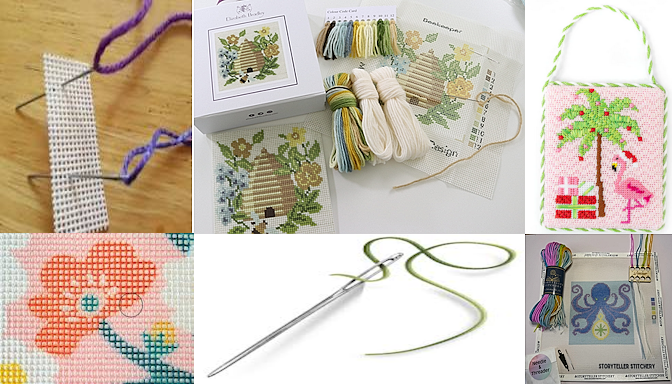
Needlepoint is a popular form of embroidery where yarn is stitched through a stiff, open-weave canvas, typically covering the entire surface to create durable, textured designs like pillows, ornaments, and art.  Unlike embroidery, which can use many fabrics, needlepoint is specifically done on open-weave canvas.  Requires a tapestry needle, yarn (often wool or cotton), and a canvas (mesh).

While needlepoint shouldn’t replace professional treatment, research confirms genuine therapeutic benefits. Studies show repetitive stitching lowers cortisol, increases dopamine, and creates meditative flow states that help manage anxiety.

Needlepoint has a wide-reaching history that can be traced as far back as 1500 BC to ancient Egypt, where, as evidenced by hieroglyphic renderings and artefacts retrieved from tombs, a slanted stitch technique was employed to adorn clothing and religious objects.

Needlepoint is generally considered an expensive hobby, primarily due to the cost of hand-painted canvases, high-quality fibers, and professional finishing services. While starter kits or smaller projects are more affordable, dedicated hobbyists often spend hundreds or thousands of dollars annually, with canvases ranging from $45 for ornaments to over $300 for larger pieces.  Needlepoint requires specialized open-weave mesh canvas and uses more thread per square inch than embroidery, which works on inexpensive plain fabric. The biggest cost difference is the hand-painted canvas, which has no equivalent in embroidery.


Sites for Needlepoint kits and info:

https://needlepointus.com

https://needlepoint.com