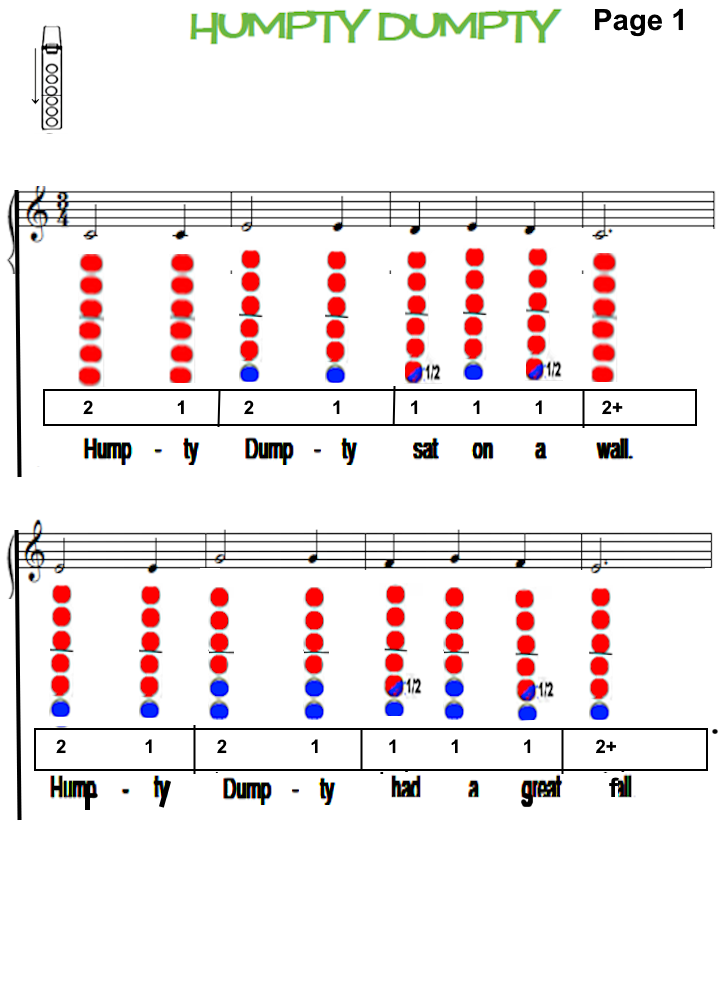
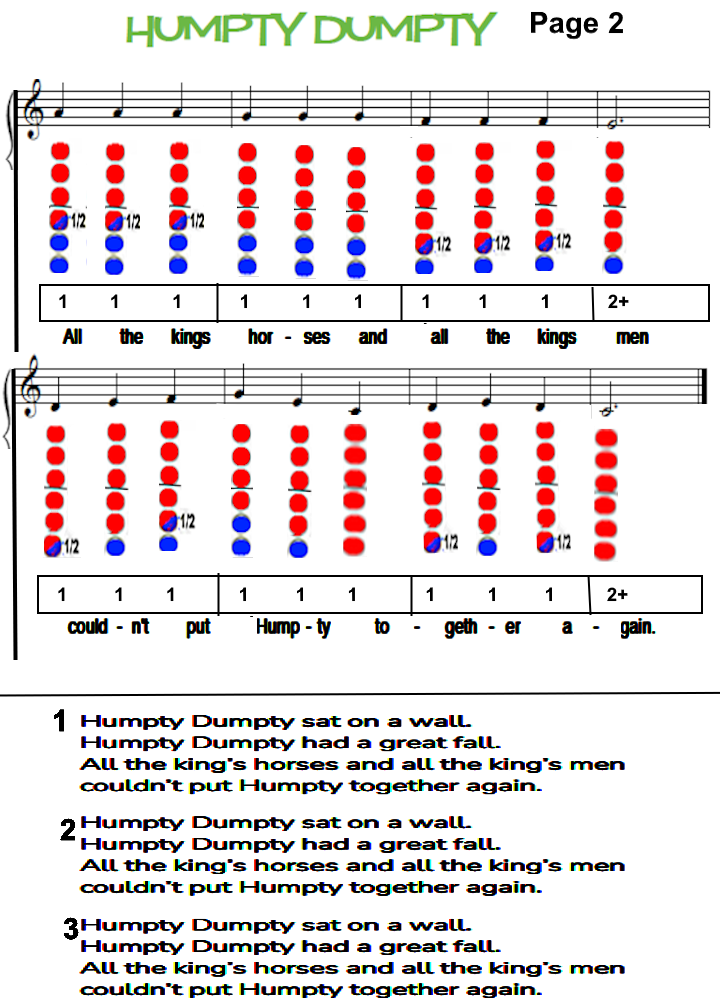
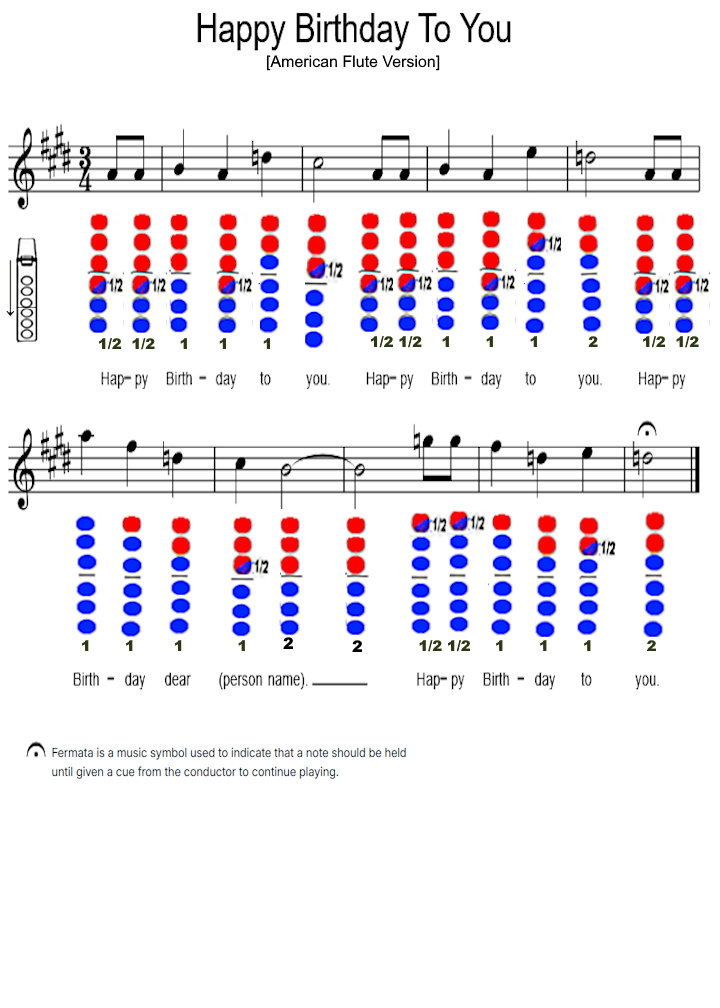
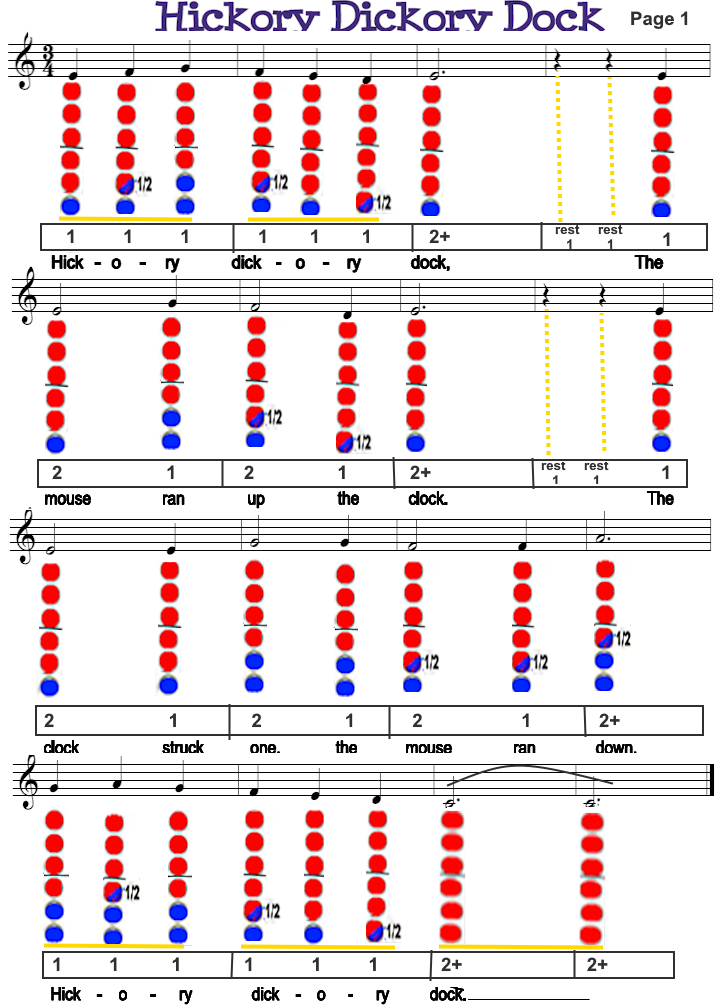
American Flute Info [5/12/2026]

Common Names and Regional Terms
  • Lakota: Šiyótȟaŋka (or Ciyotanka), meaning “flute” or “great song”.
  • Plains Flute: Often used to describe the most recognized style.
  • Cheyenne: Tâhpeno.
  • Chippewa: Bĭbĭ’gwûn.
  • Dakota: Ćotaŋke.
  • Zuni: Tchá-he-he-lon-ne (“sacred warbling flute”).
Other Alternative Names
  • Grandfather’s flute
  • North American flute
  • Pe-be-gwun (Ojibwe/Chippewa)

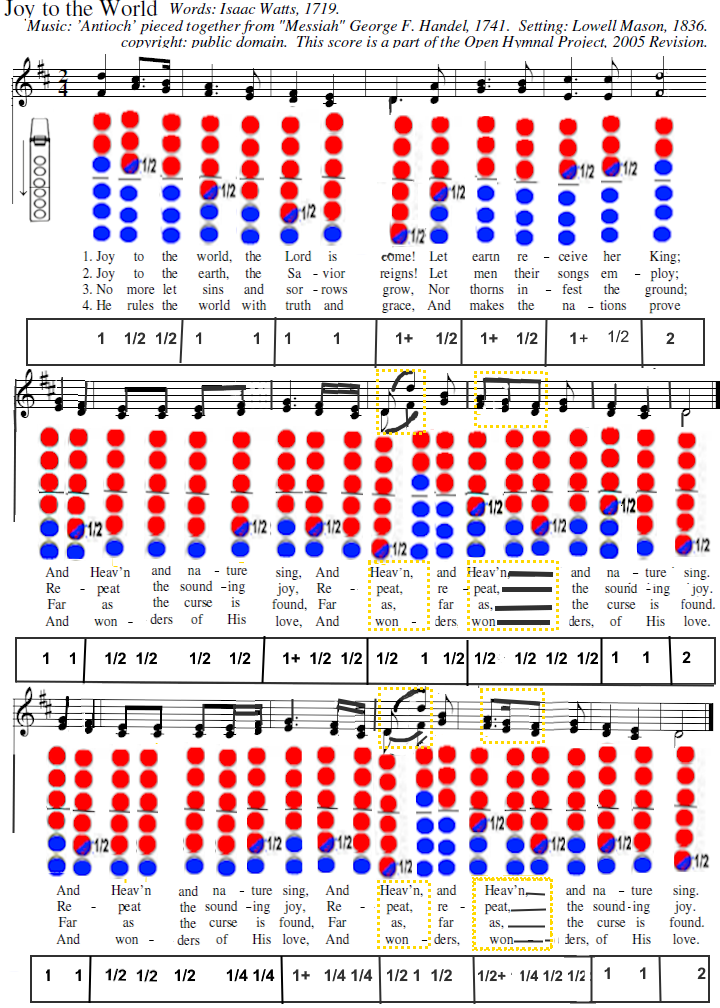
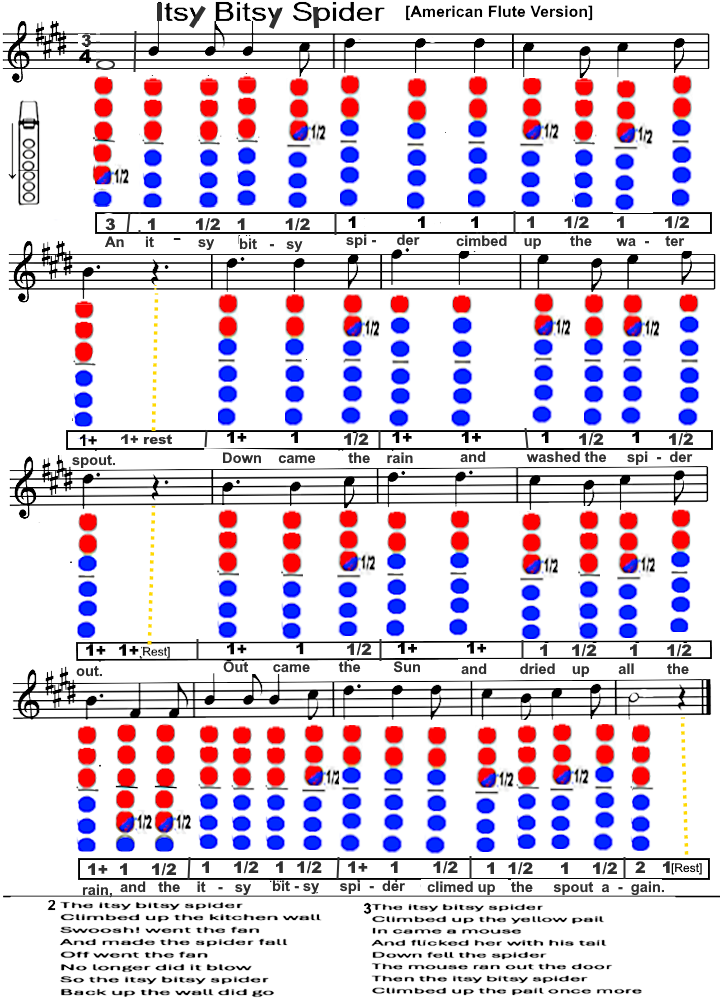
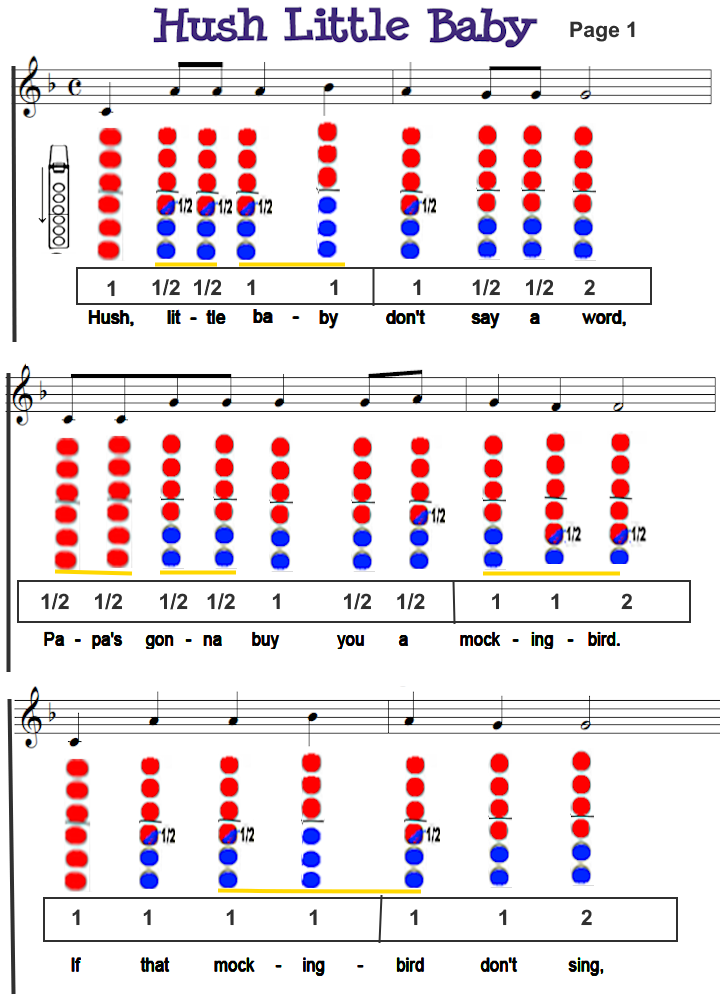
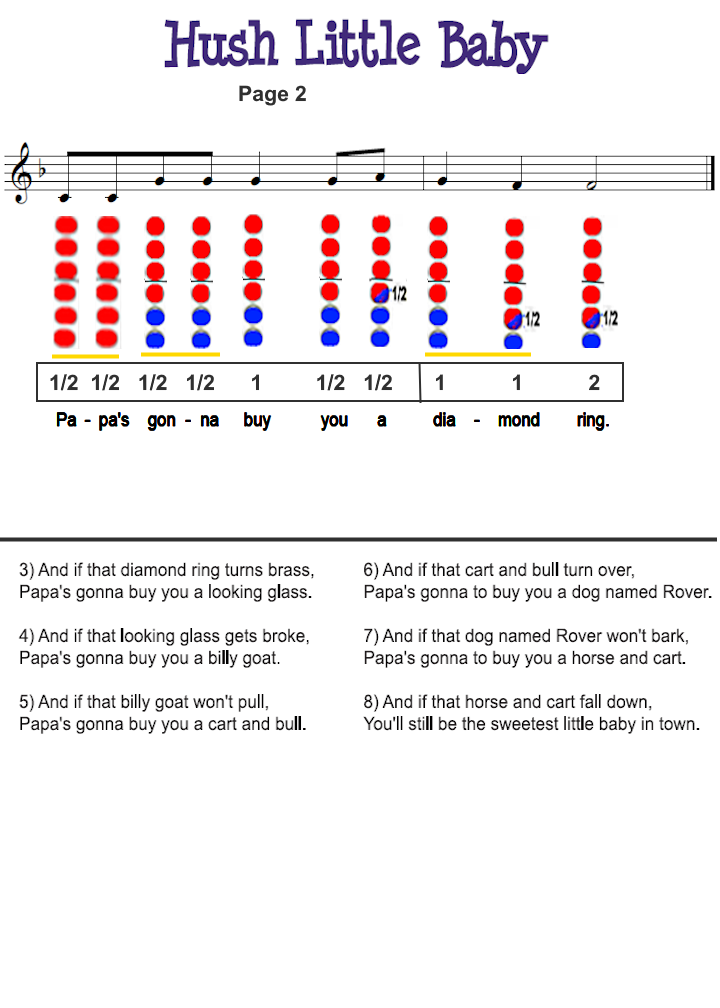
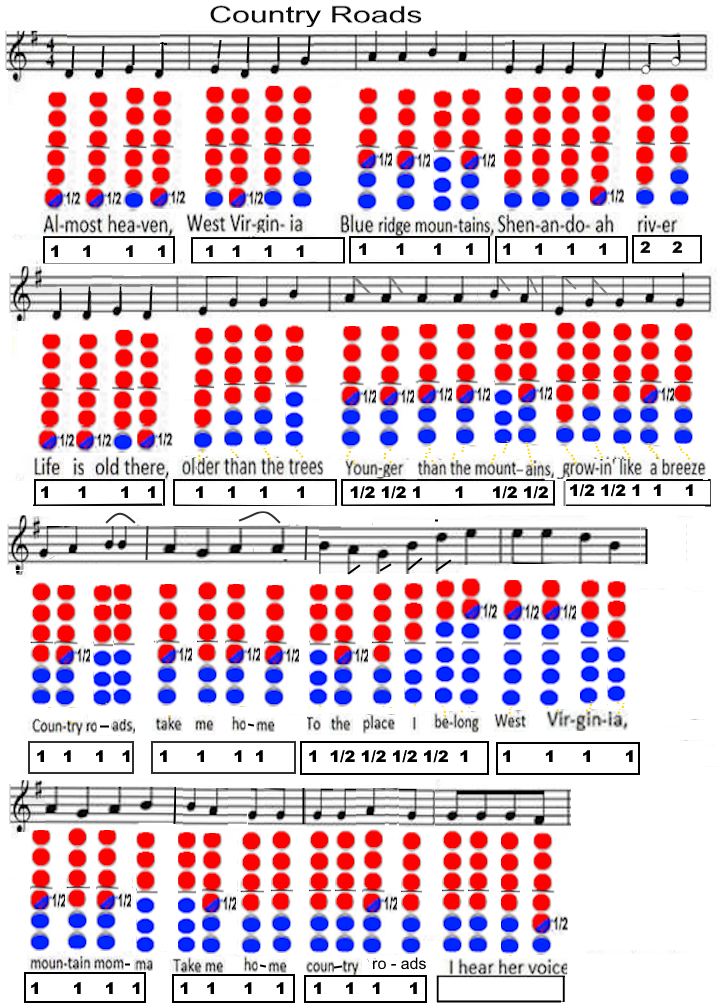
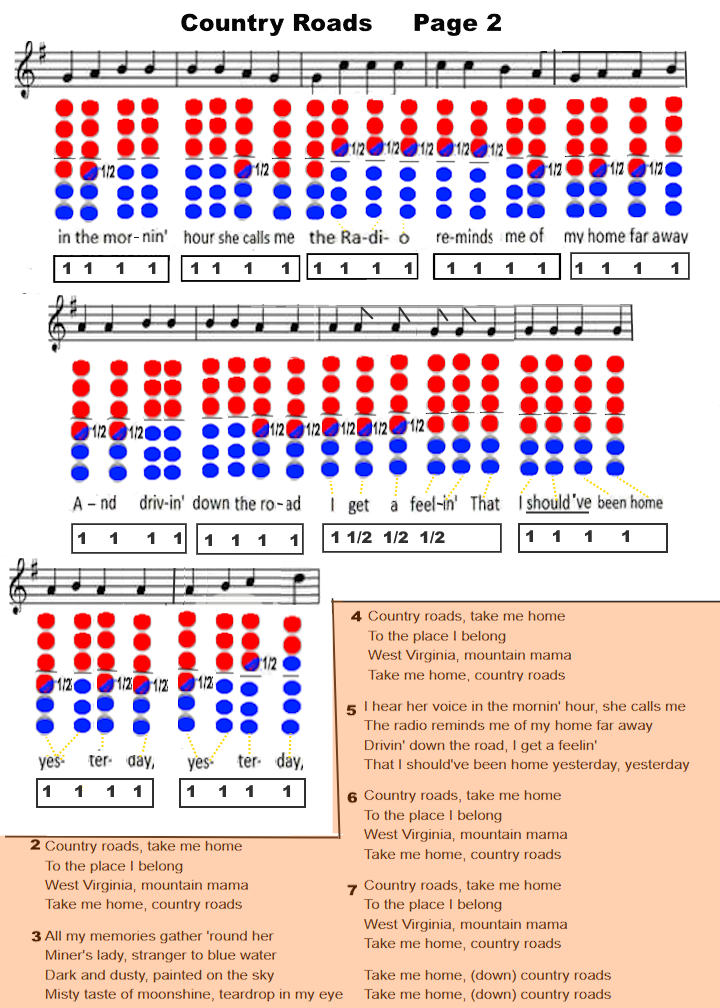
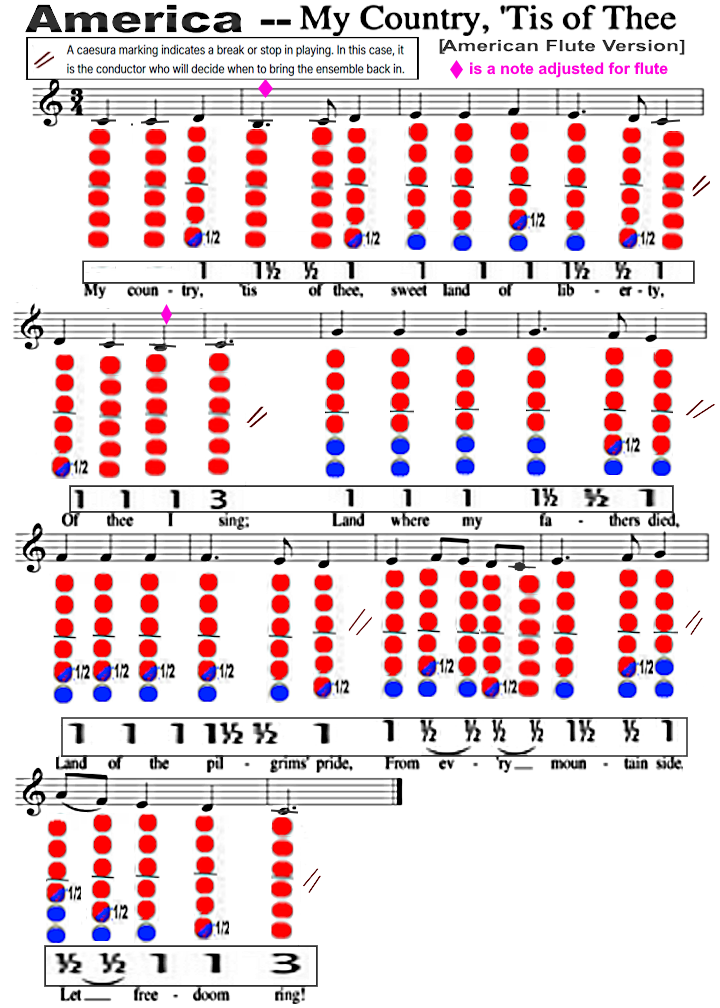
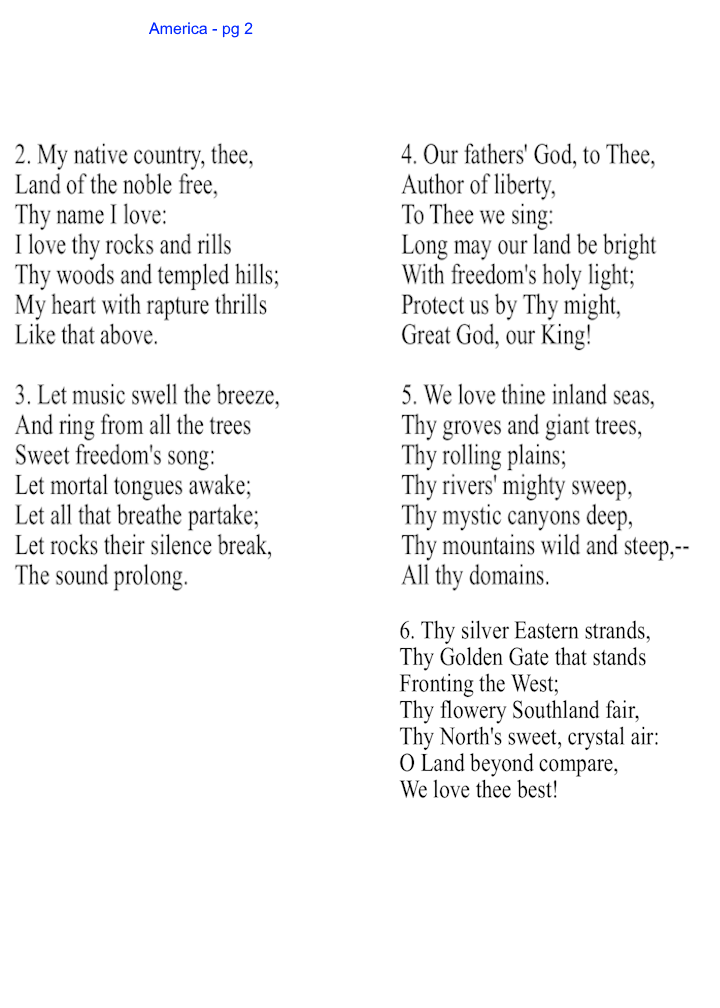
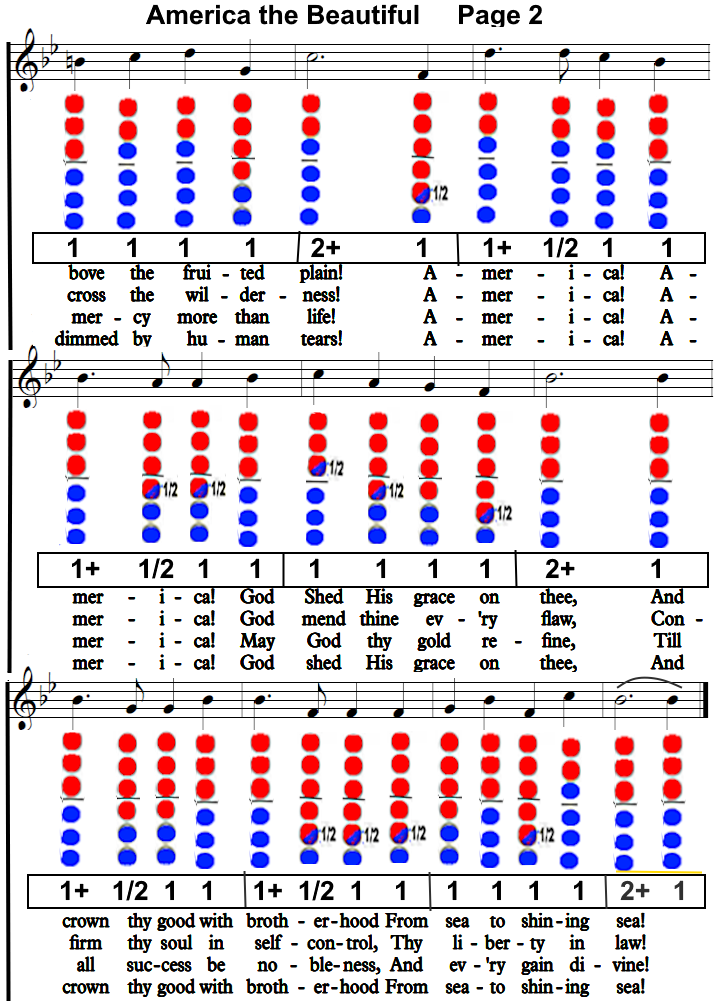
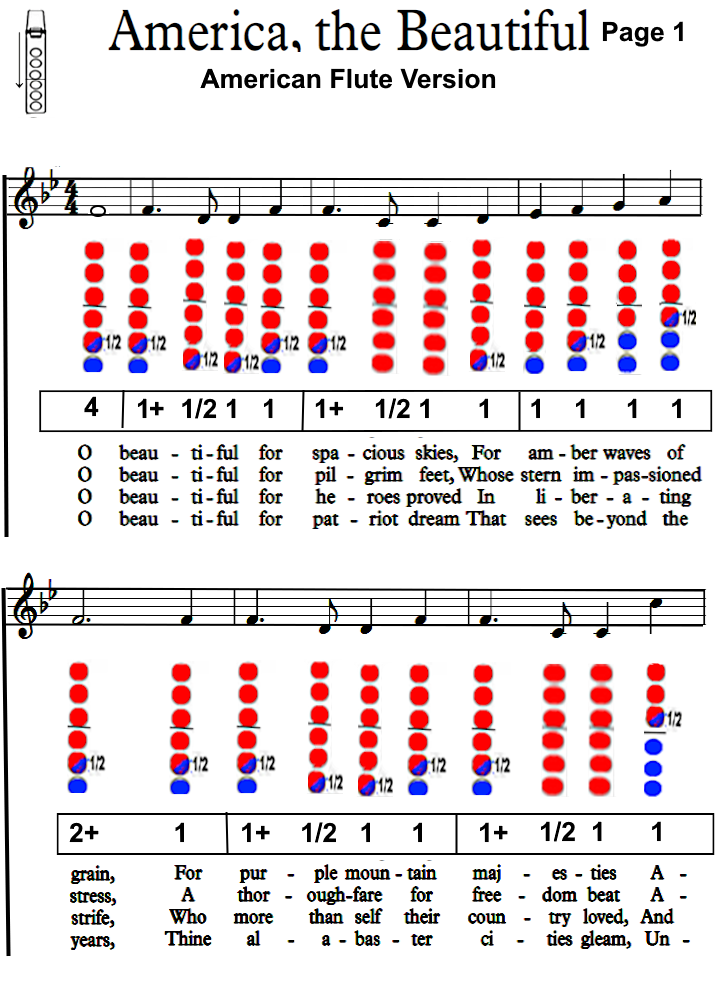
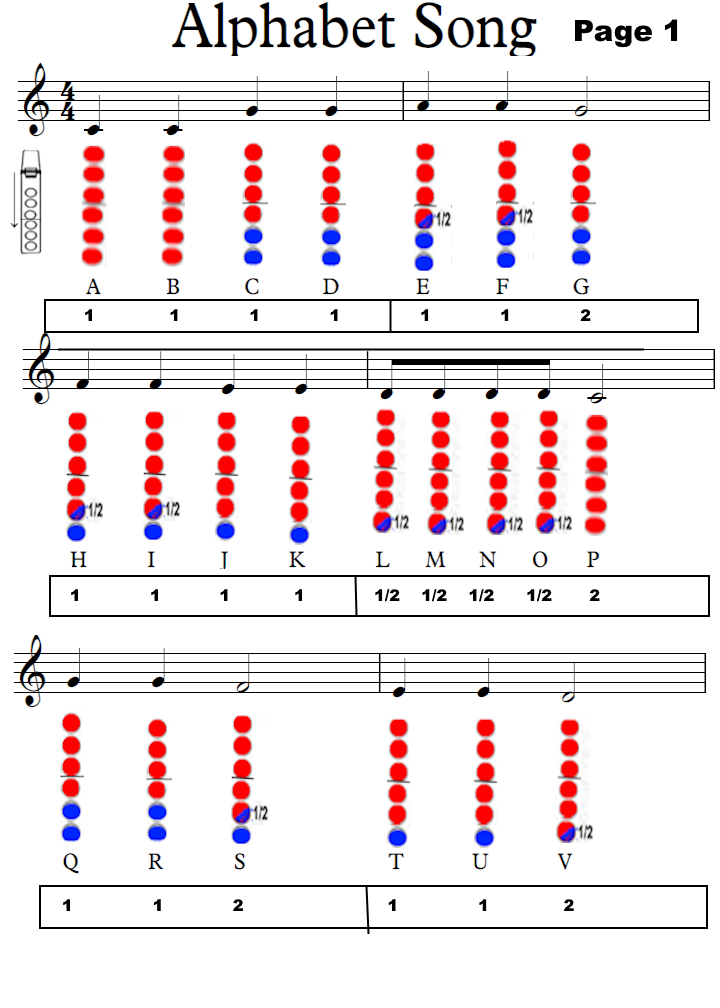
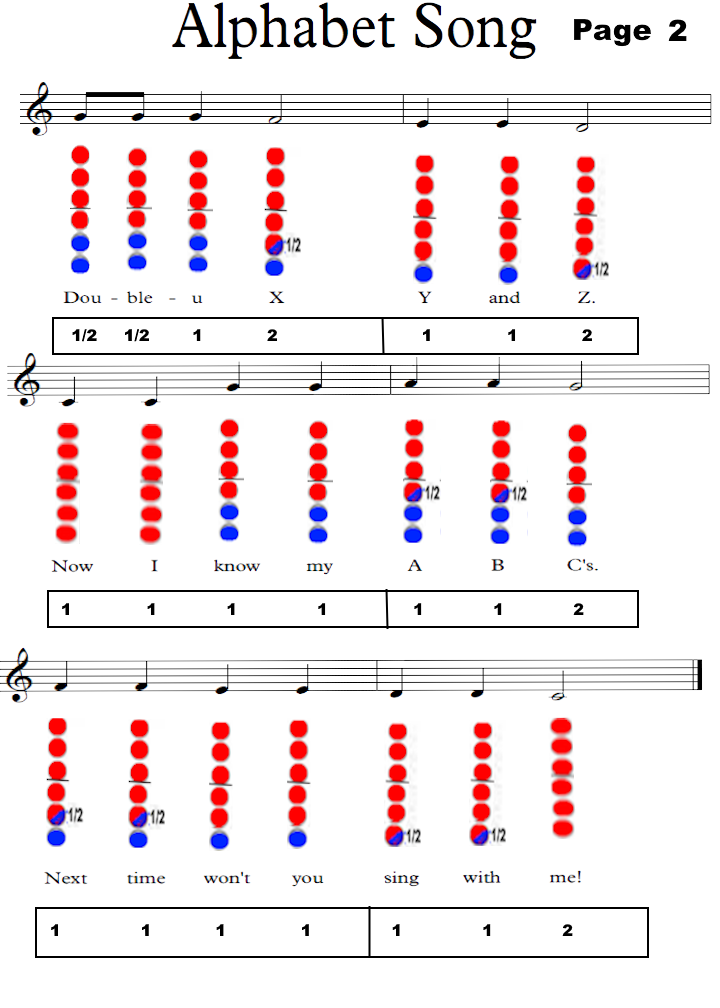
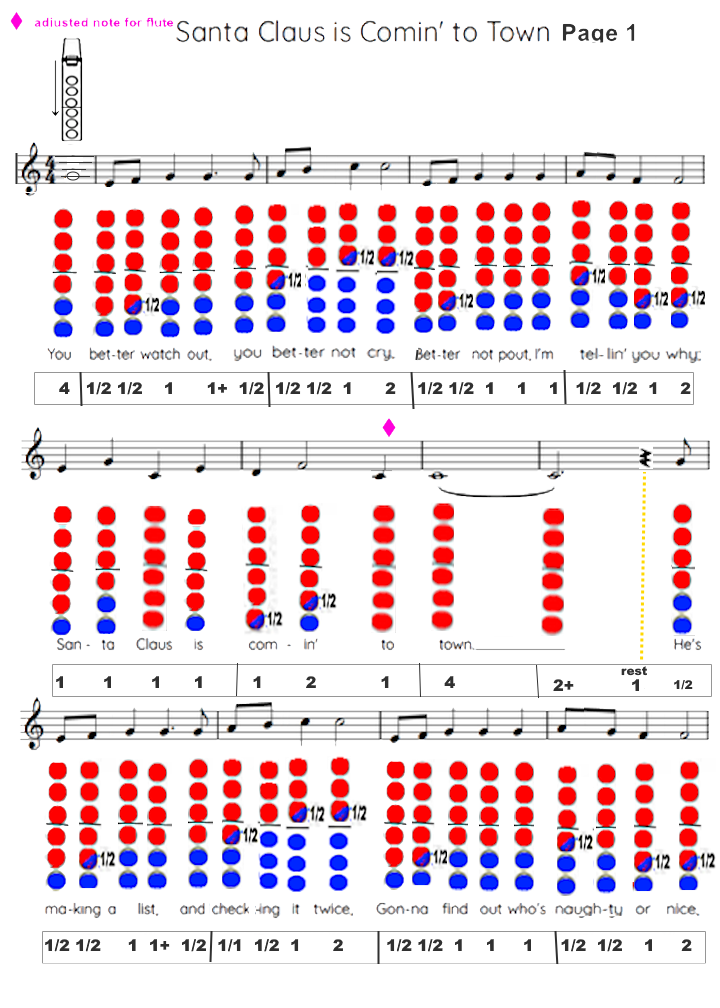
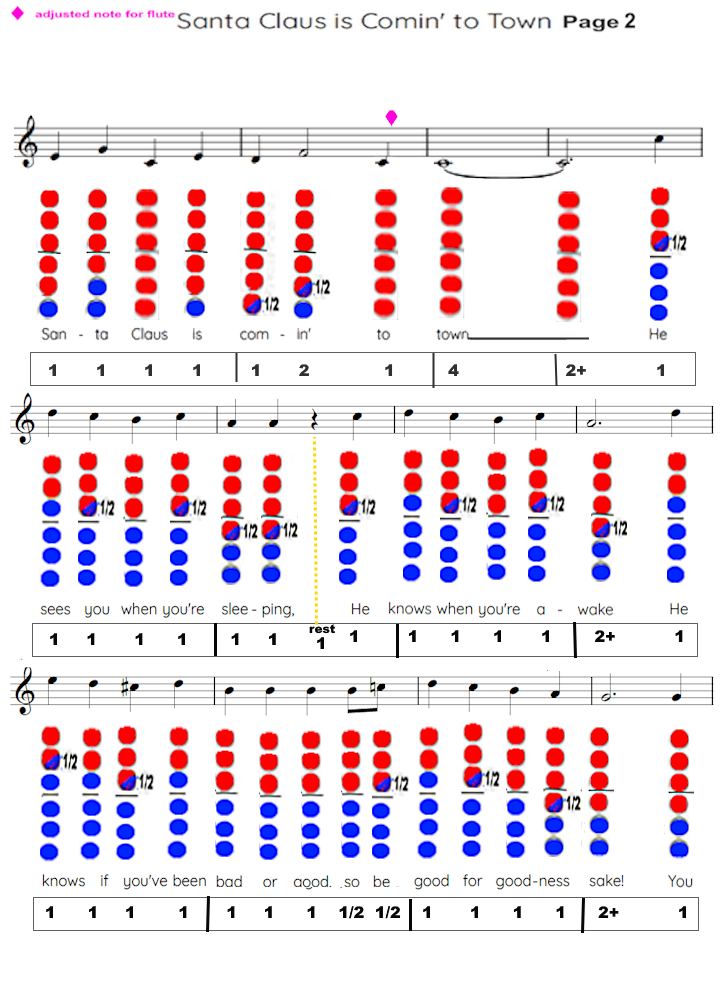
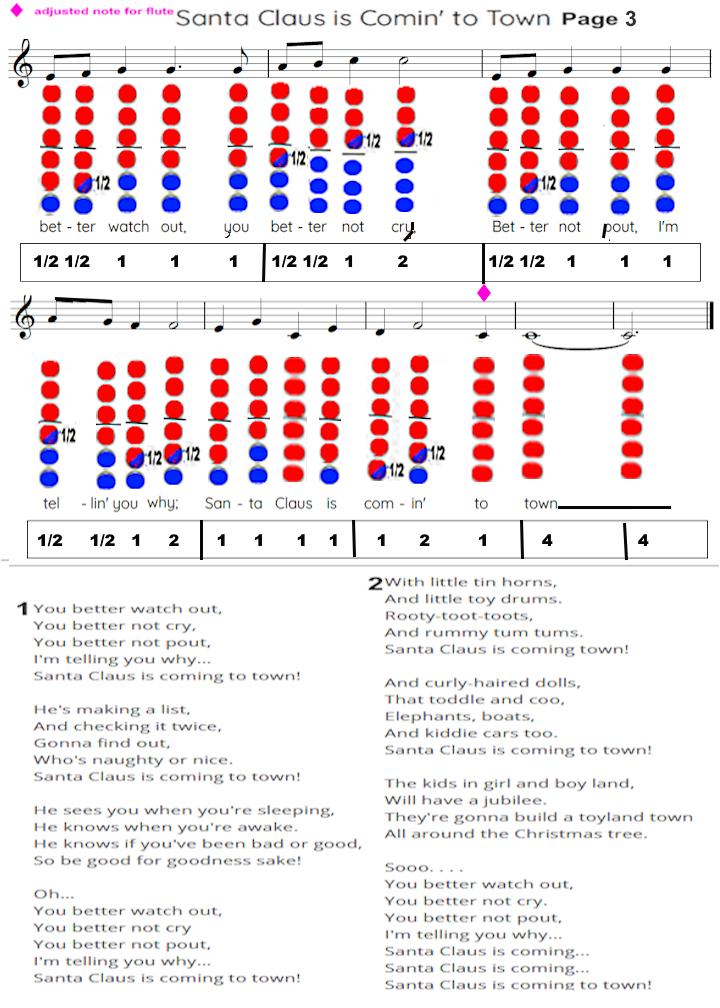
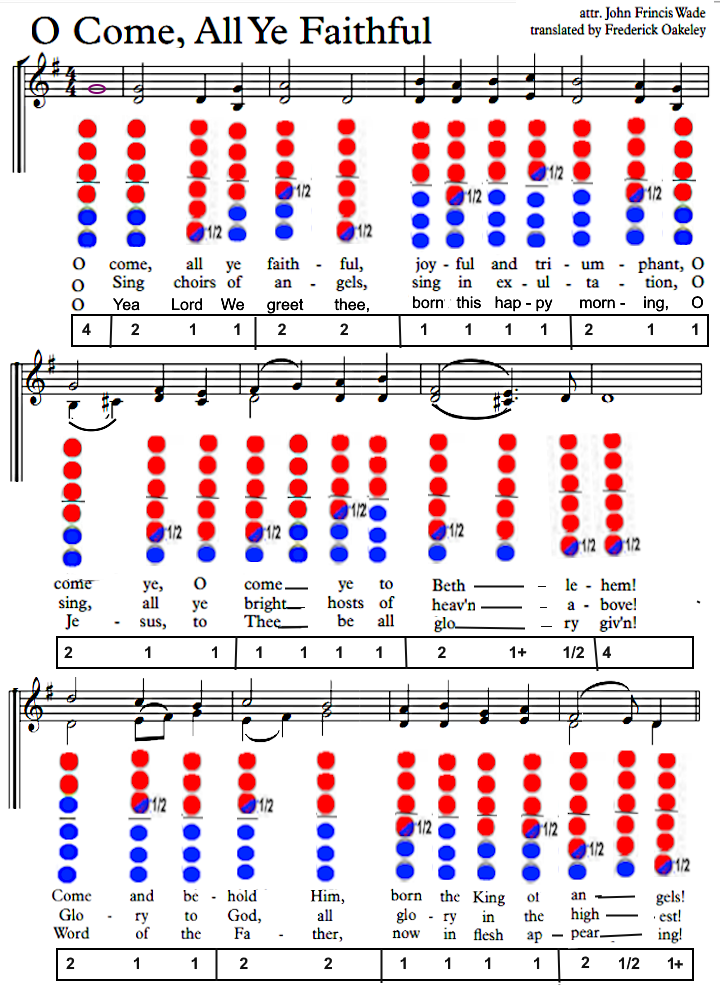
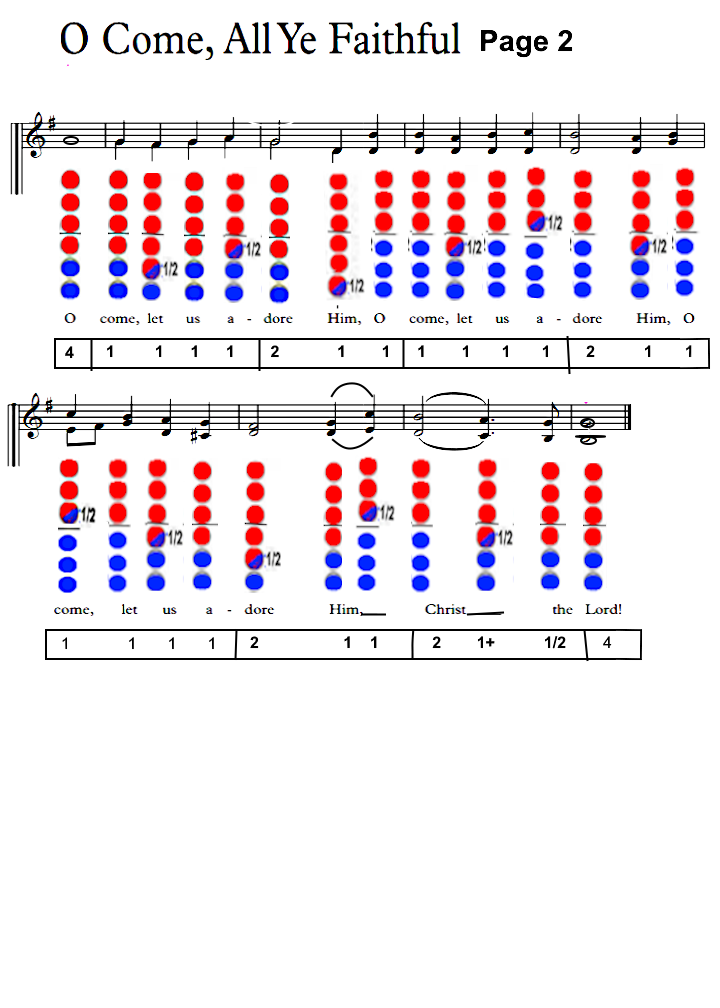
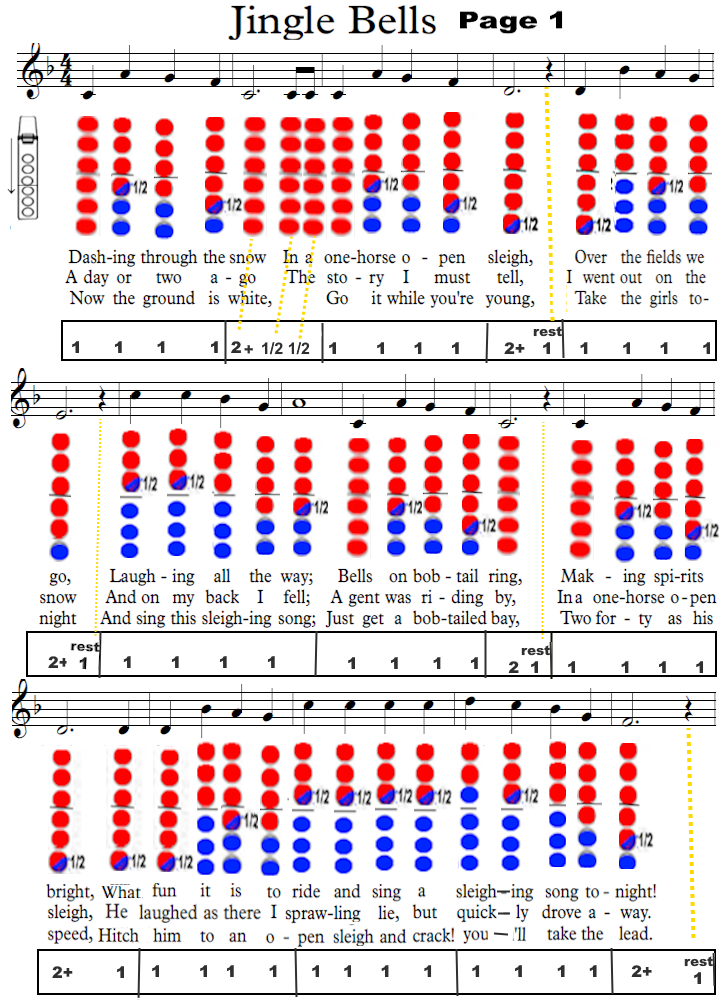
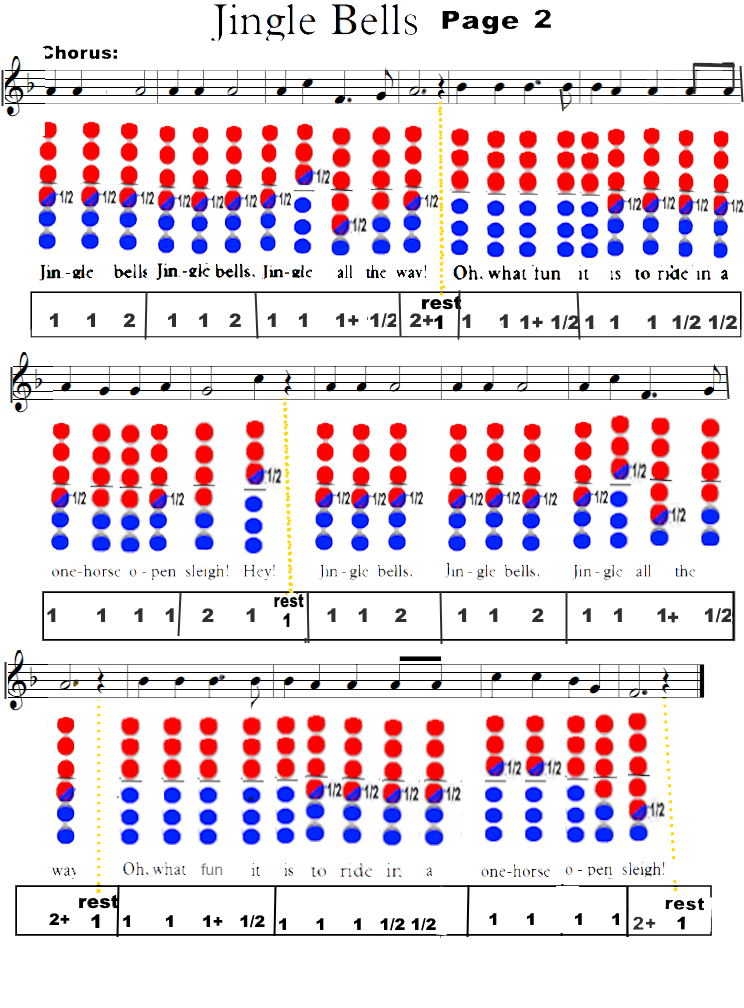
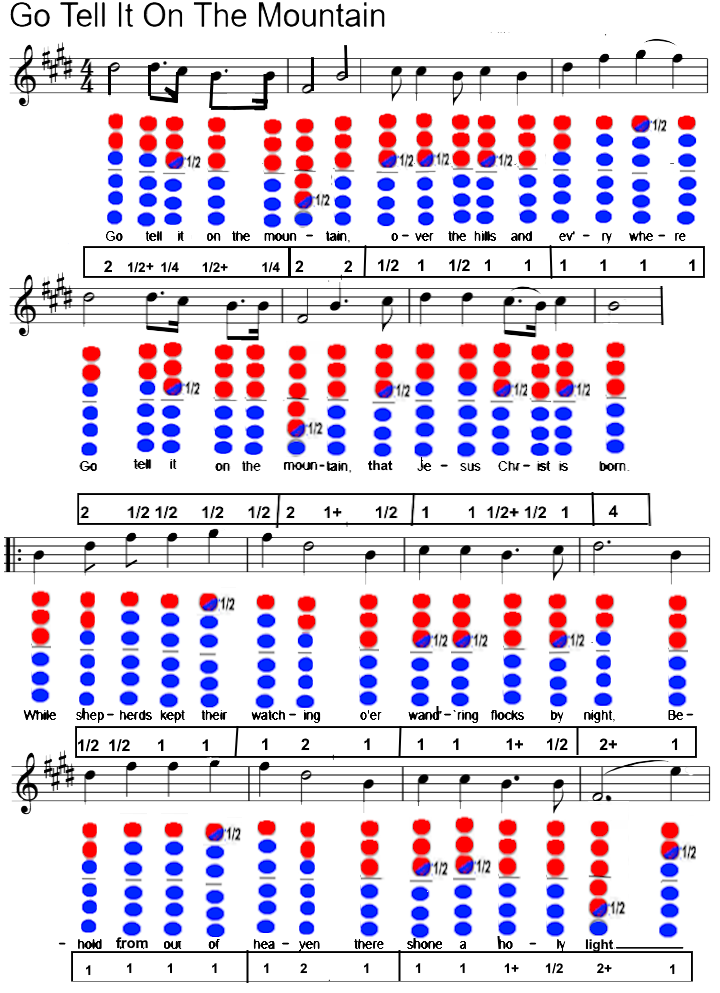
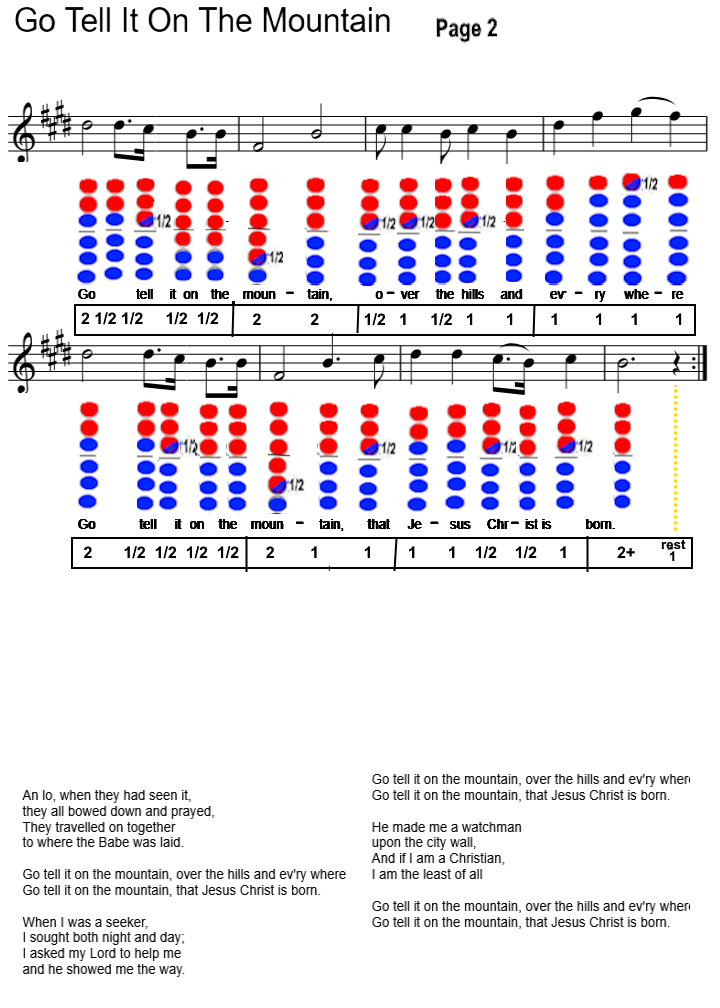
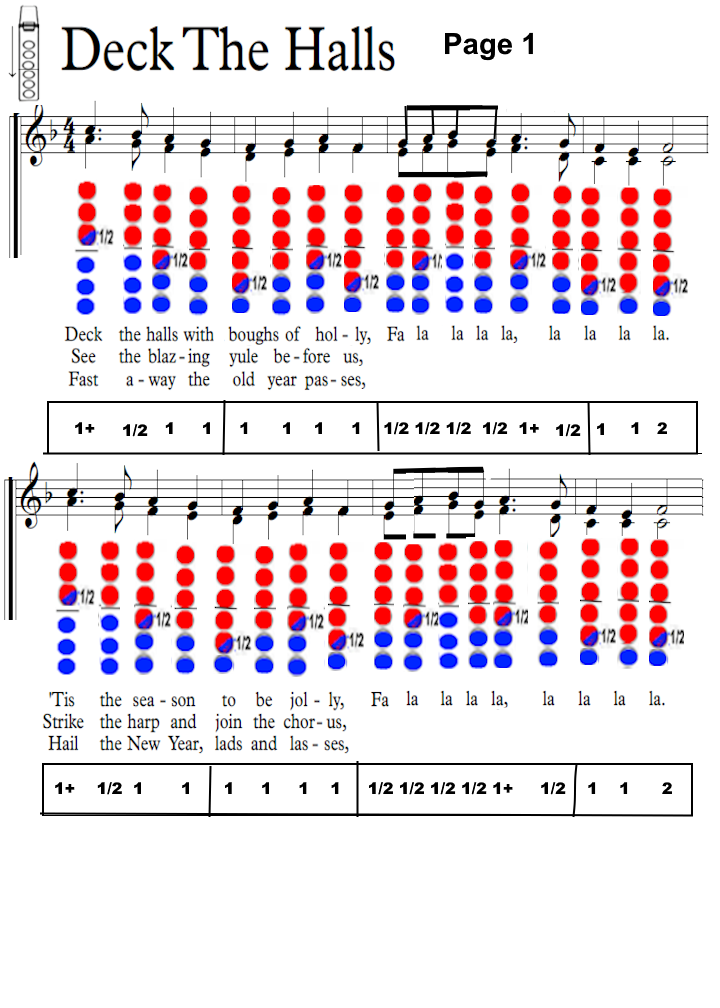
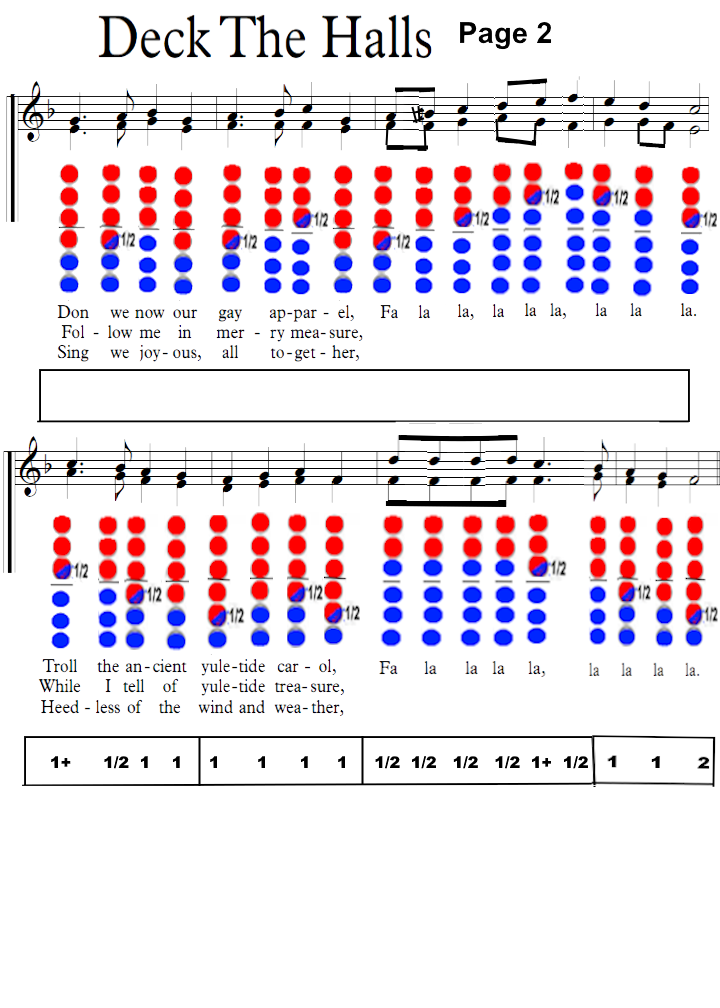
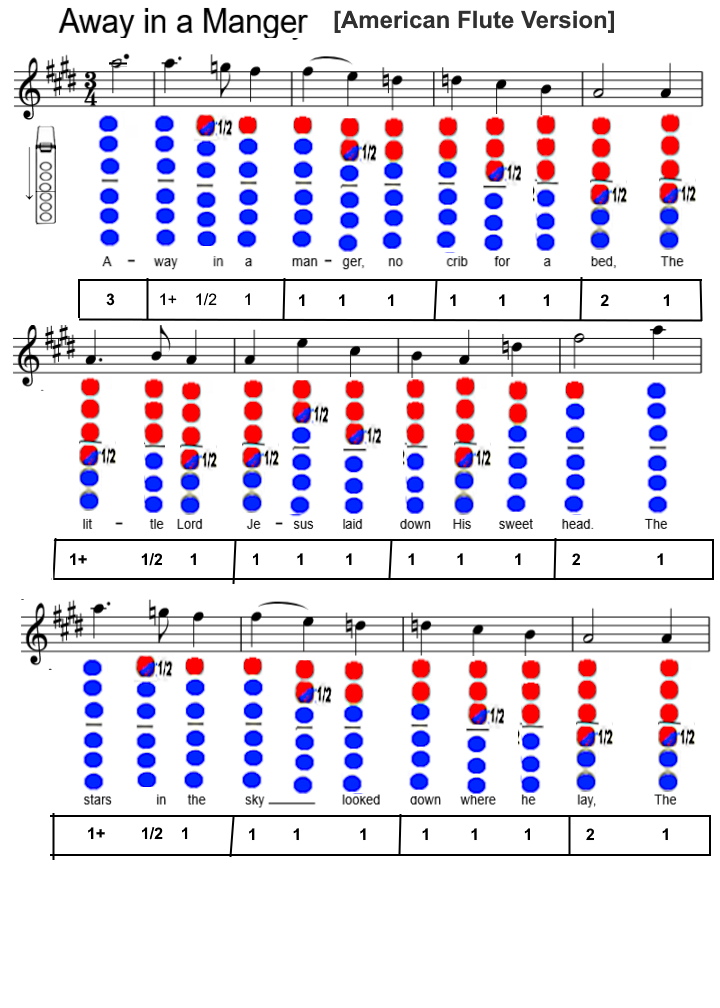
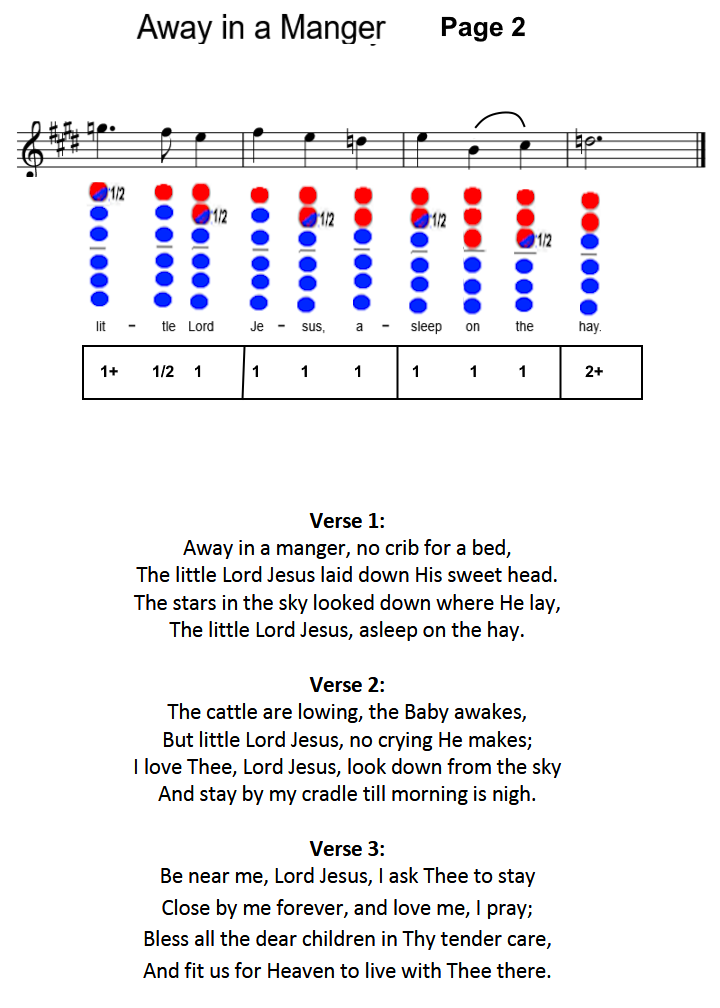
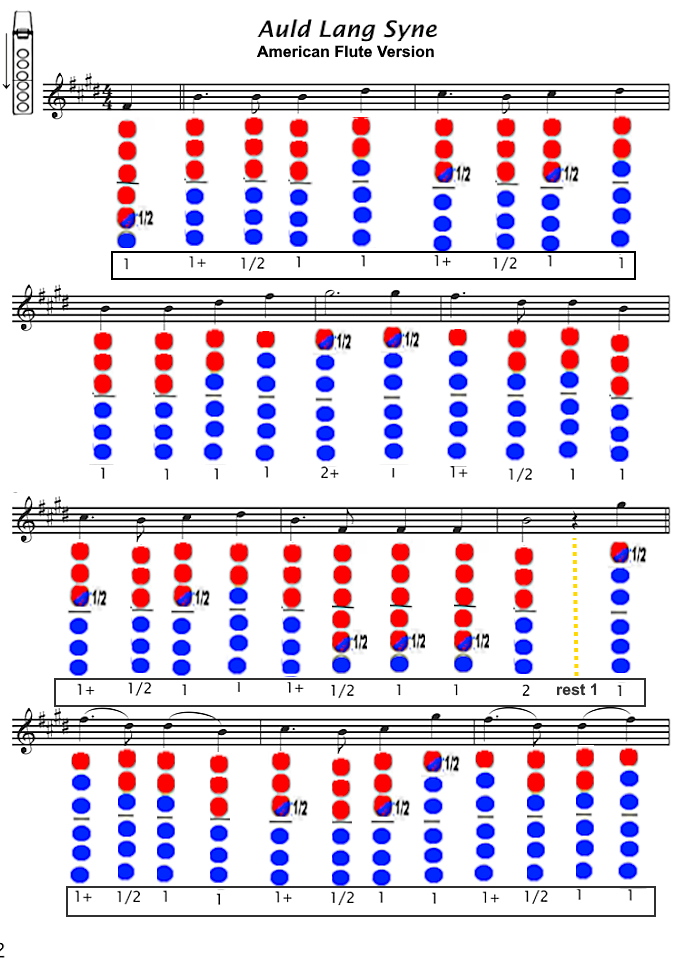
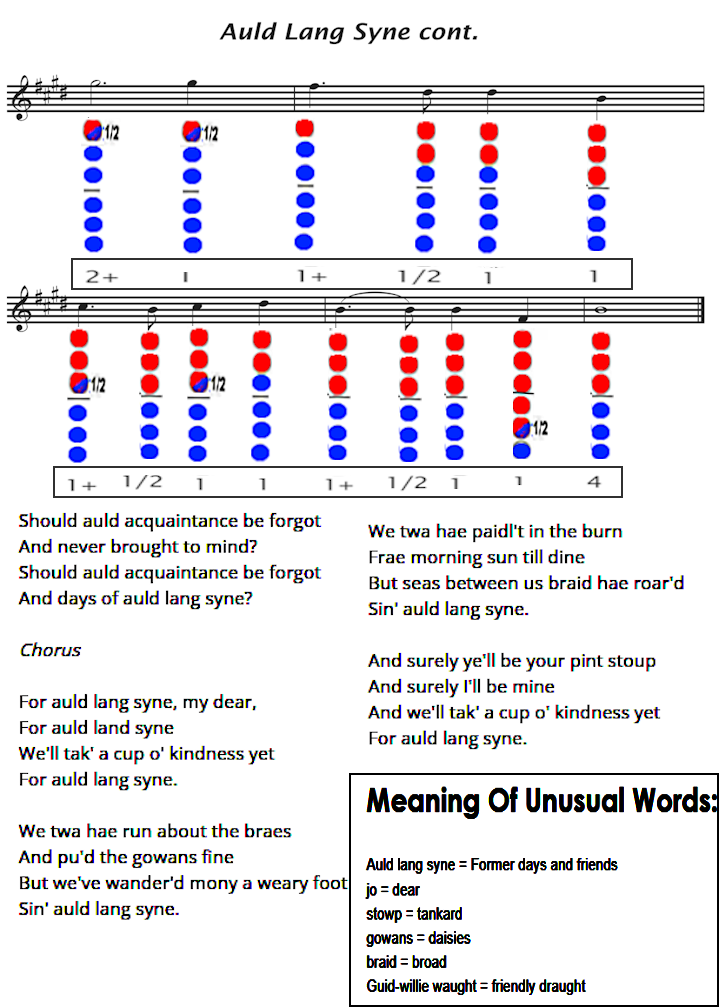
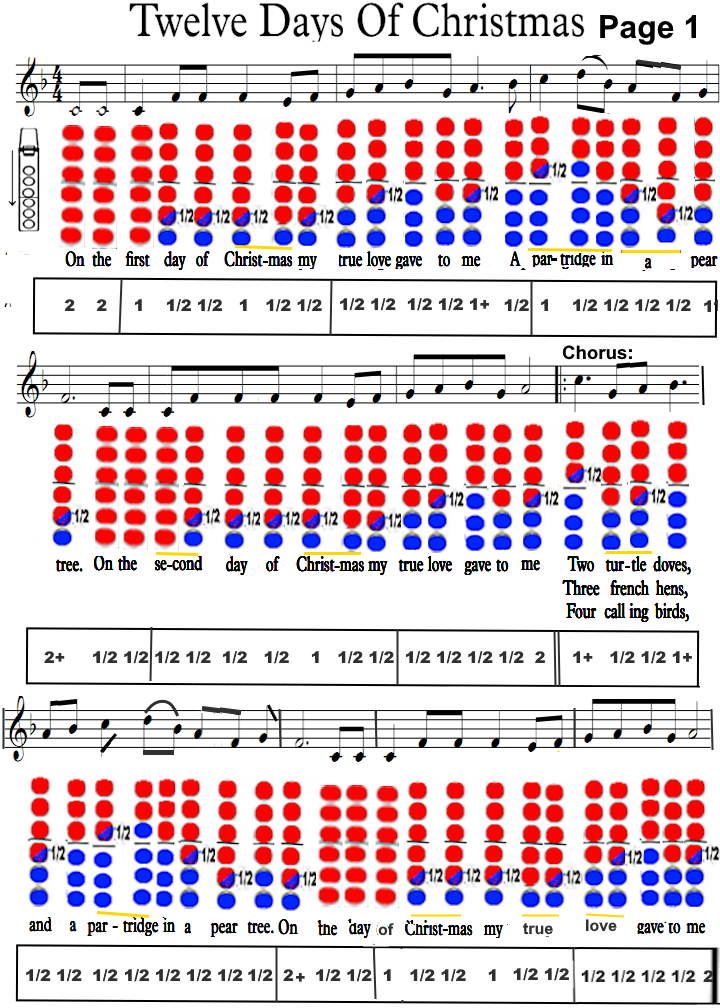
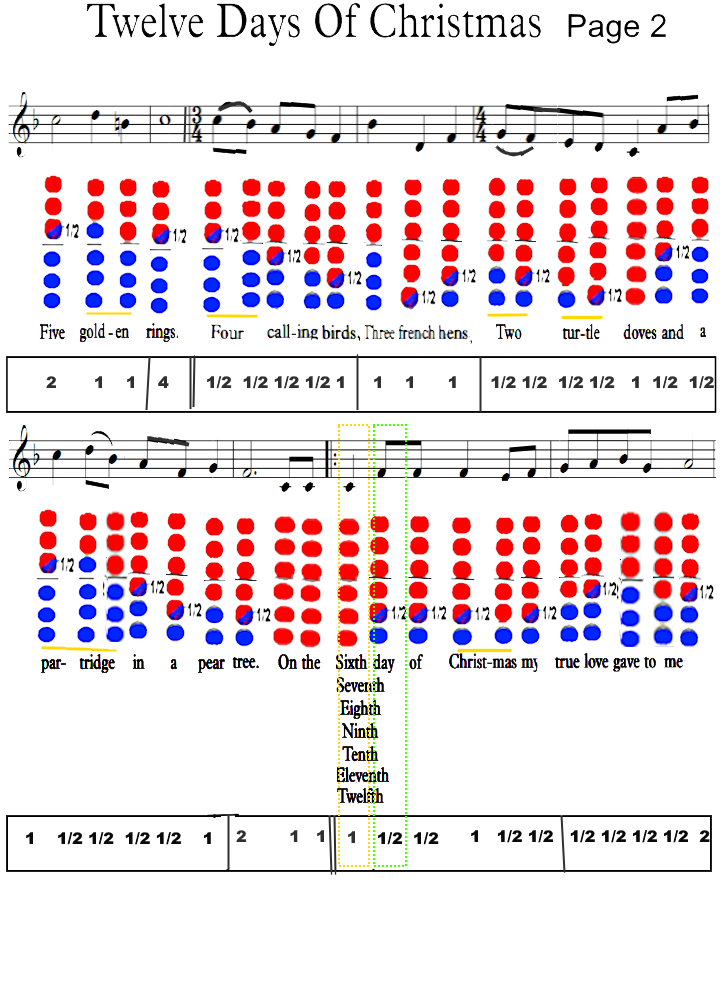
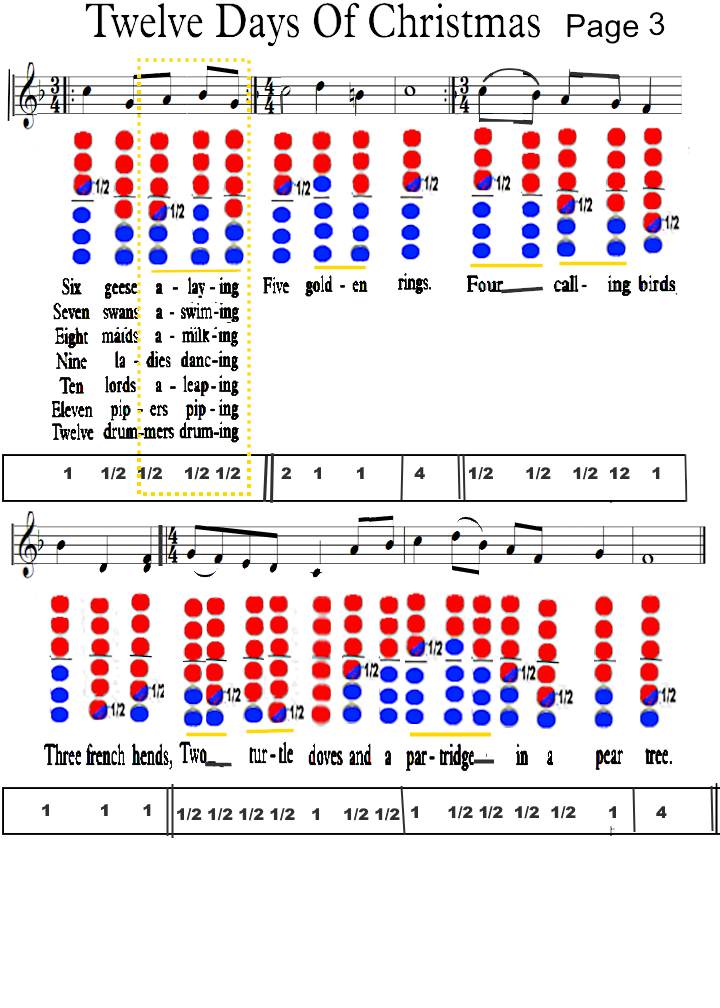
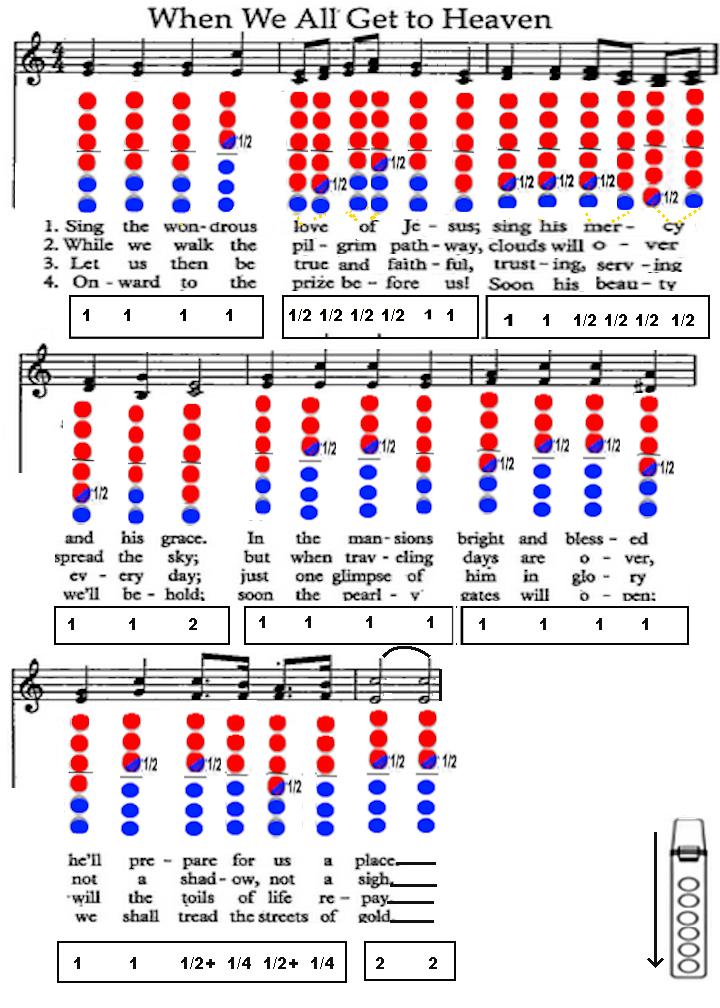
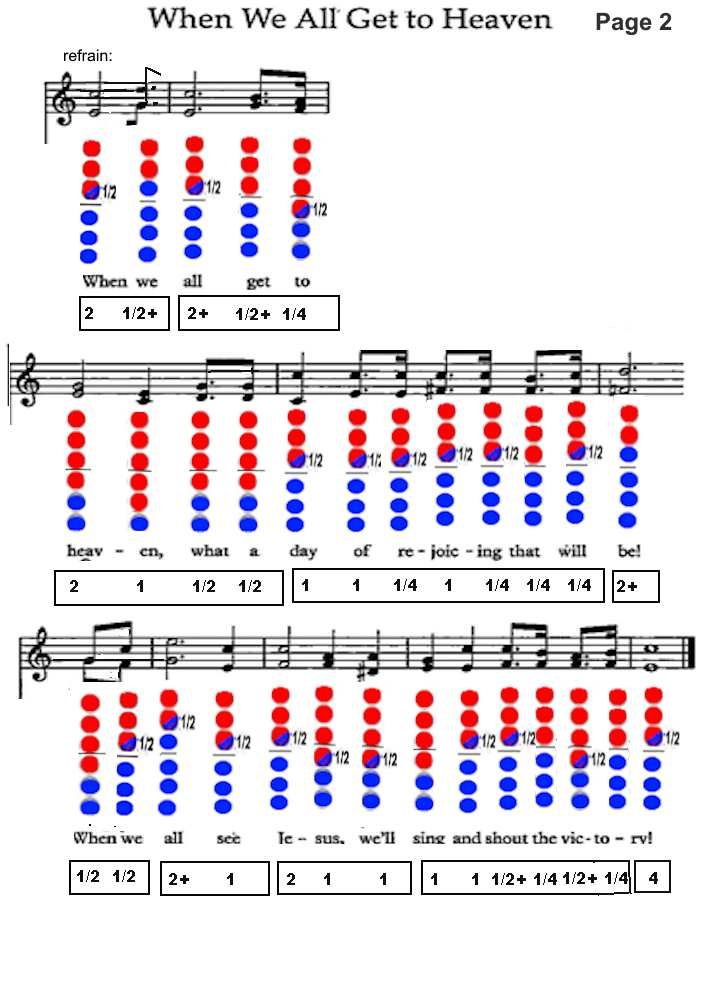
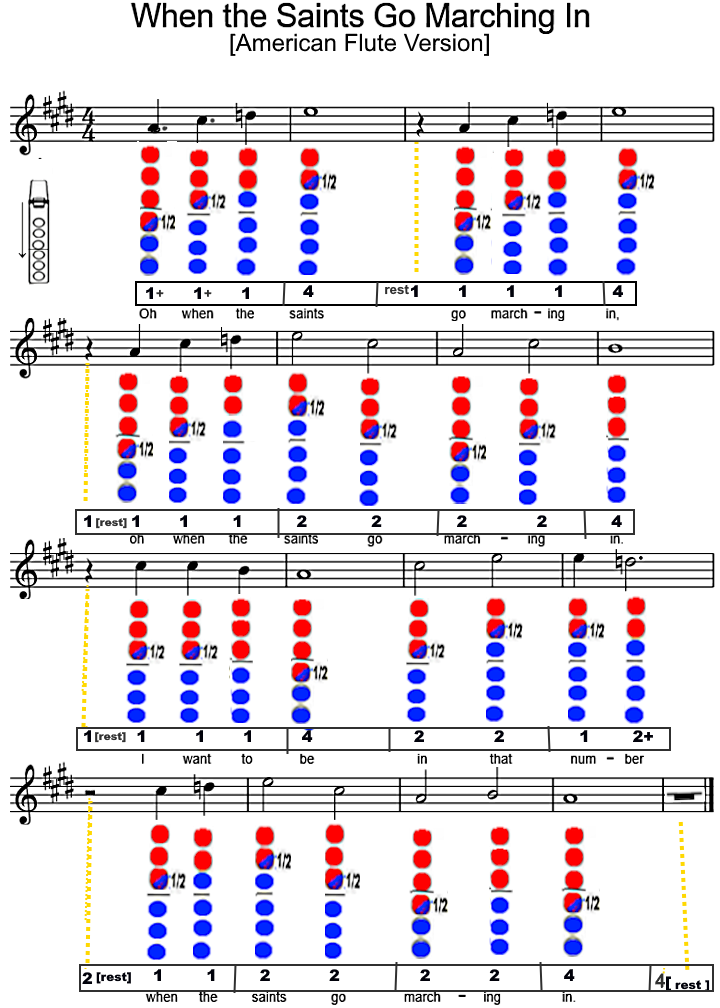
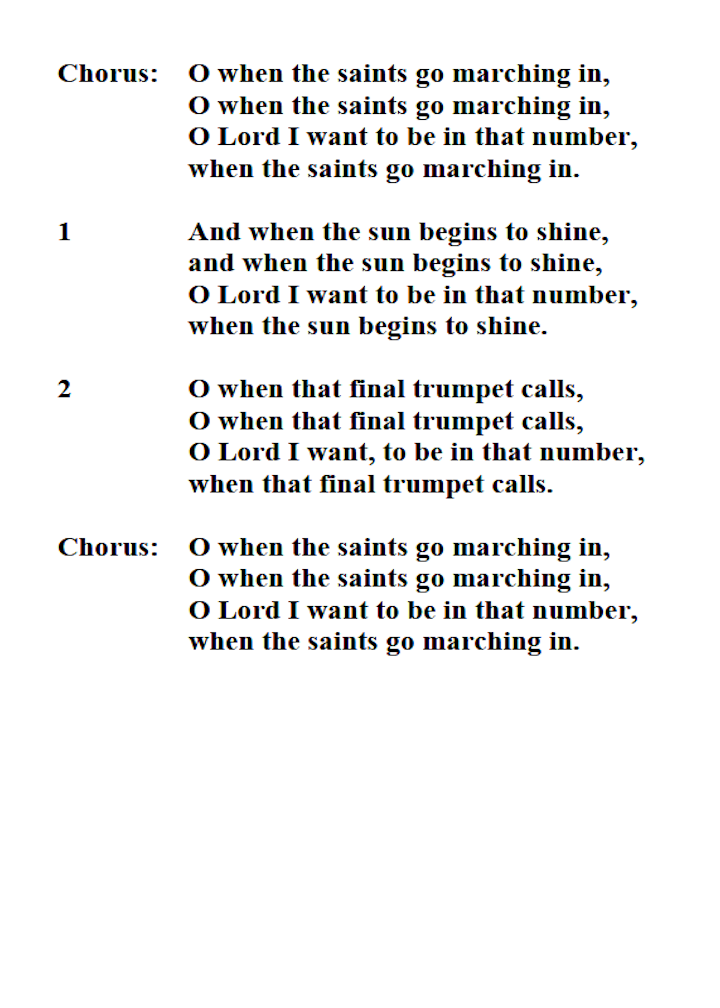
The hobbies-interests blog refers to it as the “American Flute” as music played is not Indian music.  The music is fun music, Christmas music, and hymns.

How is the NAF different from the silver flute? The native American style flute is a two-chambered (slow air chamber and bore) fipple designed flute whereas the silver flute is a side-blown or transverse style flute, which requires you to practice embouchure to create a sound.

After some time, the moisture will form little droplets of water that enter and obstruct the airflow underneath the block, and your flute will feel “choked” and lose its clarity. This problem will get worse until the flute eventually stops playing all together.  Extensive playing can be done by having more than one flute or drying the used flute.

After playing, remove the flute’s “bird” and wipe its underside and sound holes. Wipe off any remaining moisture with a soft non-abrasive cloth and let the flute completely air dry before storing.

Playing Native American flute will also cause a meditative brain state, increasing alpha and theta brainwave patterns. Using your breath will naturally provide relaxation for your mind and body. At the same time more rhythmic and expressive sounds can exhilarate your brain.

Crochet {Crafts-Info} [5/10/2026]

Crochet is a versatile needlecraft that uses a single hook to interlock loops of yarn or thread, creating textiles like blankets, clothing, and amigurumi plushies. It is beginner-friendly, with popular starter projects including scarves, coasters, and simple stuffed animals.

Common Beginner Projects
  • Amigurumi: Small stuffed creatures, often made with kits.
  • Scarves & Cowls: Simple, repetitive, and quick to make.
  • Coasters & Dishcloths: Small, square projects perfect for practicing tension
Common Materials
  • Yarn: Acrylic is durable and affordable, while cotton is great for structured items.
  • Hooks: Available in aluminum, wood, or bamboo, with ergonomic options for comfort

Popular yarn choices include Red Heart Super Saver, a durable 100% acrylic option, and comprehensive kits like Hearth & Harbor.

Common Crochet Techniques & Styles
  • Amigurumi: The art of knitting or crocheting small, stuffed yarn creatures. It often uses single crochet stitches in continuous rounds to create dense fabric.
  • Tunisian Crochet: Often described as a mix of knitting and crochet, this technique uses a long hook to keep multiple stitches active at once, creating a thick, woven texture.
  • Filet Crochet: A grid-like technique using chains and double crochet to create patterns. It looks like filled and unfilled squares, forming pictures.
  • Tapestry Crochet: A method for working with multiple colors of yarn, carrying the unused color along the row to create intricate, multicolor designs.
  • Corner-to-Corner (C2C): Projects worked diagonally from one corner to the opposite, creating a textured, pixelated effect often used for blankets.
  • Hairpin Lace: A technique requiring a special hairpin-shaped tool to create long strips of lace that are later joined.
  • Broomstick Lace: Uses a very large needle (like a broomstick) along with a standard crochet hook to create open, airy designs.
  • Freeform Crochet: A creative, unstructured form of crochet that does not follow a pattern, allowing for organic, artistic creations.
  • Irish Crochet Lace: A delicate, traditional form of lace-making that creates individual motifs that are then connected.
Common Project Types
  • Granny Squares: Small, decorative motifs usually worked in rounds, which are joined together to make blankets, bags, or clothes.
  • Motifs: Individual shapes (like circles, hexagons, or flowers) created separately and joined.
  • Doilies: Detailed, intricate lace projects usually worked in rounds.
  • Overlay Crochet: A technique adding decorative stitches on top of previous rows for texture and color.

Crochet is a relatively modern textile art that likely evolved from 16th-century French embroidery techniques (“tambour”) and 19th-century “shepherd’s knitting”. While early forms used hooks to create lace, crochet became popular in Europe and Ireland in the 1840s as a famine-relief industry.  Tambour: Precursor techniques involved “tambouring,” where a hook was used to create chain stitches on a stretched fabric base. Later, this became “crochet in the air,” removing the base fabric.  In 1829, the first crochet pattern was written by Mademoiselle Riego de la Branchardiere. The daughter of a French father and an Irish mother, she is known as the mother of crochet and said to be the creator of the Irish crochet style! At 18 she published her first book about fiber and needlework.

Key Historical Influences
  • Nålebinding: Considered an ancestor to both knitting and crochet, this is an ancient, single-needle looping technique.
  • Shepherd’s Knitting: A 19th-century,, often rural practice that used a hook for slip-stitch work


Some Crochet Sites:

https://www.lovecrafts.com

https://www.etsy.com

https://www.ravelry.comhttps://www.lionbrand.com/collections/crochet-kits

https://www.allfreecrochet.com/


Sewing {Crafts-Info} [5/10/2026]

Sewing is one of the oldest textile arts, originating in the Paleolithic era (approx. 20,000–50,000 years ago) using bone needles and animal sinew to create protective clothing. The craft transitioned from essential hand-sewing to mechanical production with the invention of the sewing machine in the mid-19th century and the development of commercial paper patterns in the 1850s, democratizing fashion and transforming sewing into a popular creative pursuit.

The major sewing pattern companies have bought one another up and consolidated, but they still tend to have their own individual “personalities.” Vogue, Simplicity, McCall’s, and Butterick are known as the Big Four.

The hardest things to sew include garments requiring extreme precision, such as tailored suits, wedding dresses, and corsets, along with projects using difficult fabrics like silk, chiffon, and velvet. Complex, 3D items like structured bags, shoes, and heavily beaded fabrics are also notoriously difficult due to their slippery nature, weight, and the need for specialized equipment.

Changing your sewing machine needle every six to eight hours is recommended. Sewing machine operations cause needles to become dull, bent, or damaged after continuous use, making them less efficient in pushing aside fabric threads. Most sewing machine issues can be resolved quickly by replacing your needle.

The hardest fabrics to sew are typically silk velvet, silk chiffon, Charmeuse, and slinky knits due to their extreme slipperiness, shifting nature, and delicate handling requirements. These fabrics move under the needle, stretch out of shape, and are difficult to cut accurately, often requiring advanced techniques like hand-basting or specialized feet.

Some sewing sites:

https://www.michaels.com

https://www.etsy.com

https://www.walmart.com


Knitting {Crafts-Info} [5/10/2026]

Knitting is a versatile craft that produces fabric by interlocking loops of yarn with needles, creating a stretchy, durable material. Essential for beginners, it requires only a few tools—yarn, needles (bamboo is often recommended for beginners), scissors, and a tapestry needle—and revolves around four core skills: a slip knot, casting on, the knit stitch, and binding off.  Better for Apparel: Produces a thinner, more flexible fabric ideal for garments.

Knitting originated in the Middle East around the 11th–12th century, with the earliest known examples being intricately patterned, hand-knitted cotton socks from Egypt. It spread to Europe by the 13th century, initially practiced by skilled male guilds for luxury items, before becoming a widespread domestic craft and, later, a significant industrial process following the 1589 invention of the stocking frame.

Some Websites for Knitting:

https://www.amazon.com

https://paradisefibers.com

https://www.etsy.com

https://www.thriftbooks.com


Thread Crochet {Crafts-Info} [5/10/2026]

Crocheting with thread uses the same basic stitches (chain, single, double) as yarn, but requires smaller steel hooks, tighter tension, and better lighting due to the finer material. Start with a thicker “bedspread weight” (Size 3 or 10) cotton thread and a 1.5mm–3.25mm hook to practice. Key tips include maintaining consistent tension, using high-quality hooks, and choosing light-colored thread for visibility.

Getting Started with Thread Crochet

  • Hooks: Use steel crochet hooks, which are sized differently than standard aluminum hooks. A smaller hook number corresponds to a smaller hook size.
  • Tension: Keep your tension tighter than with yarn to prevent the fabric from becoming too loose or distorted.
  • Use ergonomic hooks to reduce hand fatigue, as thread requires a tighter grip
  • Thread sizes are opposite to yarn; a higher number means thinner thread (e.g., Size 30 is thinner than Size 10).

Crocheting can cause shoulder pain due to repetitive motions, poor posture, and tight grips, leading to tension, fatigue, and potential injuries like tendinitis. To reduce pain, take frequent breaks every 15-20 minutes, use ergonomic hooks, support your elbows with pillows, and maintain good posture.

Some Sites with patterns:

https://www.knitpro.eu/en/

https://www.etsy.com

https://www.pinterest.com/search/pins/?q=thread%20crochet&rs=typed


Tunisian Crochet {Crafts-Info} [5/10/2026]

Tunisian crochet is a unique needle craft blending knitting and crochet, characterized by using a long, specialized hook (often called an Afghan hook) to hold multiple stitches at once, similar to knitting.The fabric created by Tunisian crochet is slightly less elastic than normal crochet and substantially thicker, particularly the knit stitch

Most believe the term “Tunisian crochet” was started by the French. In the early 1800’s, crochet publications started showing Tunisian stitches. Then by the middle of the century, it could be found being practiced in the British Isles and Western Europe.

Key Aspects of Tunisian Crochet:
  • Technique: Rows consist of a “forward pass” (picking up loops) and a “return pass” (working loops off).
  • Essential Stitches: The foundation includes Tunisian Simple Stitch (TSS), Knit Stitch (TKS), Purl Stitch (TPS), and Full Stitch (TFS).
  • Tools: Requires special elongated hooks or cable-connected hooks. It is recommended to use a hook 2 sizes larger than the yarn suggests to reduce curling.
  • Projects: Popular for dense items like blankets, scarves, pillows, and structured bags.
  • Prevent Curling: Tunisian fabric tends to curl due to the stitch structure. Using a larger hook and blocking the finished project helps manage this.
  • Tension: Keep your loops loose and even for better drape.

Some helpful sites:

https://hookedonhakelmaschen.com

https://moralefiber.blog

https://www.purlsoho.com

https://www.etsy.com


Paint-by-Number {Crafts-Info} [5/10/2026]

Paint by numbers for adults is a great way to relax and get creative. Plus, you don’t need any experience, just follow the numbered guide and enjoy the small moments while staying focused and creating something meaningful.

Each paint by number kit includes a pre-printed numbered canvas, high-quality acrylic paints, and a set of brushes to easily guide you in matching numbers on the canvas with paint colors. It also includes landscapes, flowers, abstract paintings, and everything you need to create your painting.

  • Paint Your Clothes: Onesies
  • Paint Your Clothes:  Adult Wear 
  •  Plaster of Paris Painting [kits]
  • Paint by number pictures [kits]

Some websites that sell kits:

https://numberartist.com

https://herrschners.com


Knit Loom {Crafts-Info} [5/10/2026]

Loom knitting is an easy-to-learn craft technique using a plastic or wooden loom with pegs instead of knitting needles to create knitted fabric. It is generally faster than needle knitting, easy on the hands, and highly customizable with different loom shapes and yarn types.

Types of Looms and Projects
  • Round Looms: Ideal for tubular items like hats, socks, and cowls.
  • Long/Rectangular Looms: Best for flat panels like scarves, blankets, and dishcloths.
  • Double Knitting Looms: Use two parallel rows of pegs to create thick, double-sided fabric (no back side).

Some Supply Sites:

https://www.amazon.com

https://www.etsy.com

https://www.michaels.com